India vs China at Asian Games 2026: How Do the Two Contingents Compare Before Aichi-Nagoya?
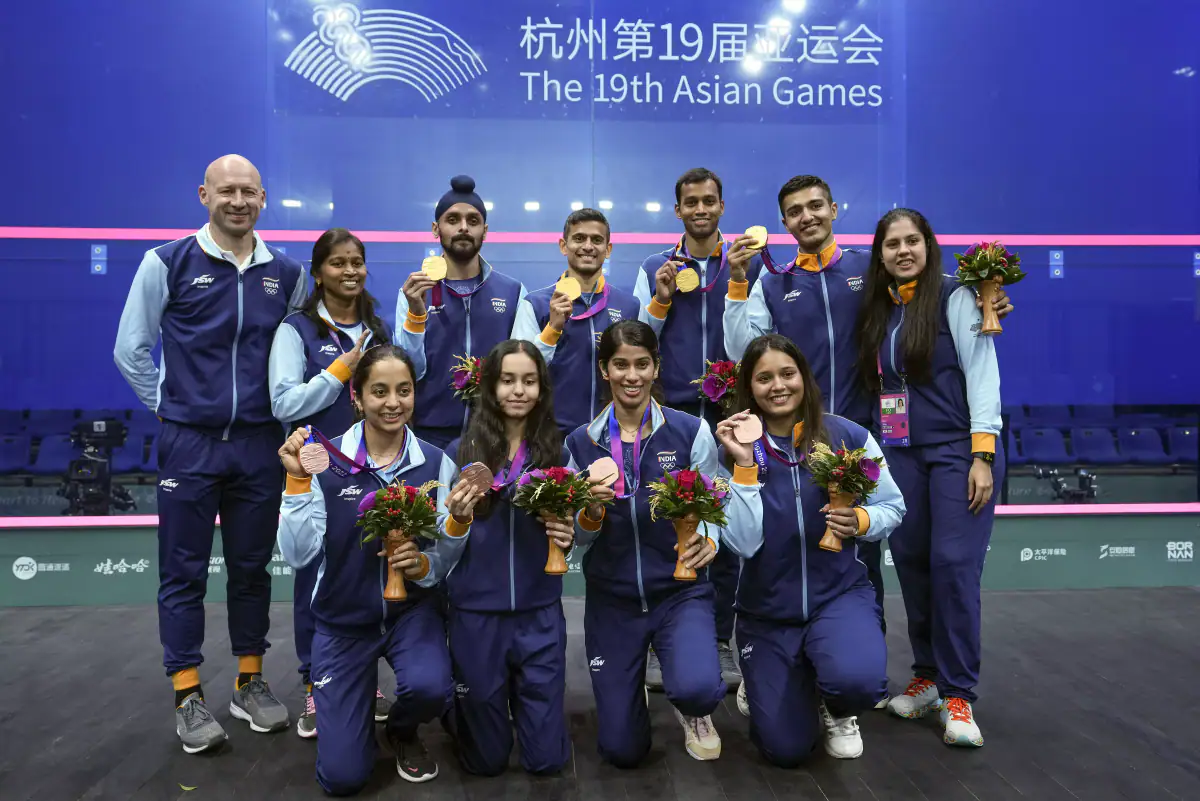
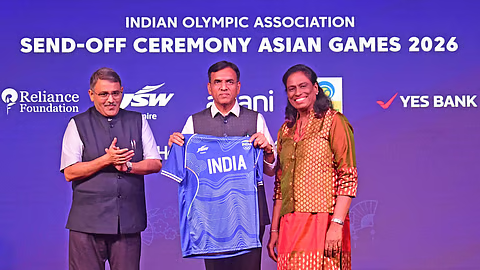
India will head to the Aichi-Nagoya Asian Games 2026 with a 768-member contingent, including 503 athletes, but one comparison immediately stands out: China is taking a significantly larger athlete contingent to Japan.
The Sports Ministry has approved 503 Indian athletes and 246 team officials and support staff, along with 19 contingent staff members. India's total delegation therefore stands at 768.
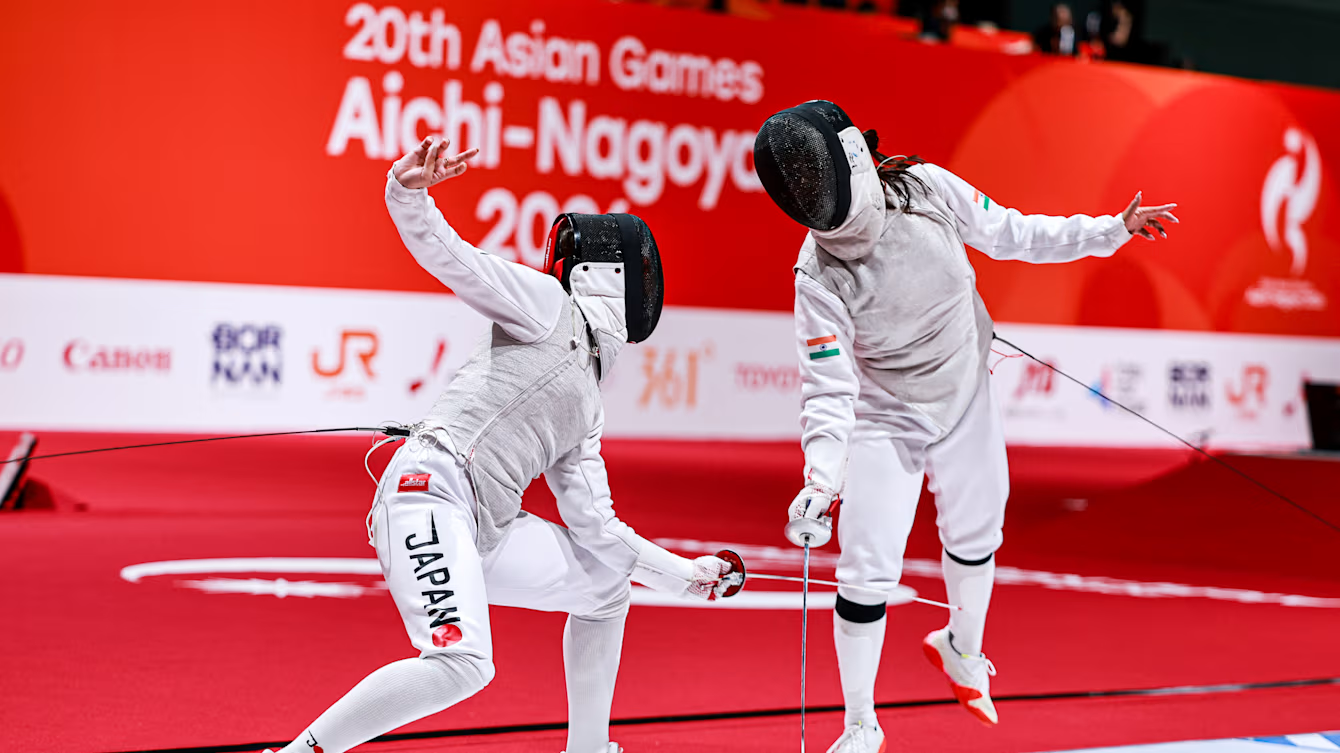
China, meanwhile, has named an 815-athlete squad, with its overall delegation consisting of 1,274 members. Its athletes will compete across 38 sports and 369 events, compared with India's participation across 36 disciplines.
The difference is substantial, but contingent size alone does not determine the medal table. In fact, India's challenge in Aichi-Nagoya is less about matching China's numbers and more about converting a growing pool of medal contenders into podium finishes.
The most obvious difference between the two countries is the number of athletes. India's 503 athletes represent a significant delegation, but China's 815 athletes give it a numerical advantage of 312 athletes.
That gap reflects the depth of China's participation across the Asian Games programme. China has consistently invested heavily in Olympic and Asian Games disciplines and has developed considerable strength across swimming, gymnastics, diving, athletics, shooting, table tennis, badminton, weightlifting and numerous other sports.
India, meanwhile, will compete in 36 disciplines, with its medal hopes concentrated heavily in a number of established sports. The Indian contingent has nevertheless grown substantially over the years, reflecting the country's expanding sporting ecosystem and the emergence of new medal contenders.
The difference becomes even more pronounced when officials and support staff are included. India's contingent stands at 768 members, while China's delegation comprises 1,274 members. That means China's overall delegation is 506 members larger.
China's delegation includes 69 overseas specialists from 24 countries and regions, with expertise coming from nations including Australia, Spain, France, the Netherlands and Britain. India's support structure is smaller in absolute numbers but remains substantial. The country has approved 246 team officials and support staff for its 503 athletes, besides the 19-member contingent staff.
The athletics contingent illustrates India's approach.
Athletics leads India's support structure
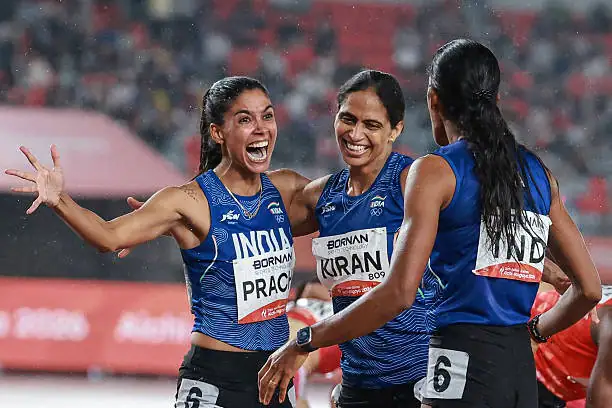
India's athletics team comprises 79 athletes, making it one of the largest components of the country's delegation. It will have 31 coaches and support staff, including 20 coaches led by national coach P Radhakrishnan.
The athletics team will compete without Neeraj Chopra, who has been ruled out because of injury. His absence removes one of India's biggest medal favourites, but the squad still contains several major contenders. Avinash Sable, Gulveer Singh, Parul Chaudhary and javelin thrower Yashvir Singh are among the athletes expected to carry significant medal hopes.
Sable will compete in the 3000m steeplechase and could also contest the 5000m if he meets the requirement. Gulveer is entered in three events the 10,000m, 5000m and 1500m while Parul will compete in the 3000m steeplechase, 5000m and 1500m.
Yashvir, meanwhile, has been brought into the squad as Chopra's replacement after winning Commonwealth Games bronze.
China arrives with Olympic champions
China's advantage is not merely numerical. Its squad includes 36 Olympic champions, underlining the extraordinary depth of its sporting programme.
The Chinese delegation also has an average athlete age of 24, with more than a quarter of its athletes aged 20 or younger. That combination of established champions and emerging talent is one of the biggest reasons China enters virtually every Asian Games as the overwhelming favourite for the top position on the medal table.
China has won the overall and gold medal standings at every Asian Games since 1982. At the Hangzhou Asian Games in 2023, competing on home soil, China produced an extraordinary haul of 201 gold medals and 383 medals overall.
India, by comparison, won 28 gold, 38 silver and 41 bronze medals in Hangzhou for a total of 107 medals.
The gap therefore remains enormous.
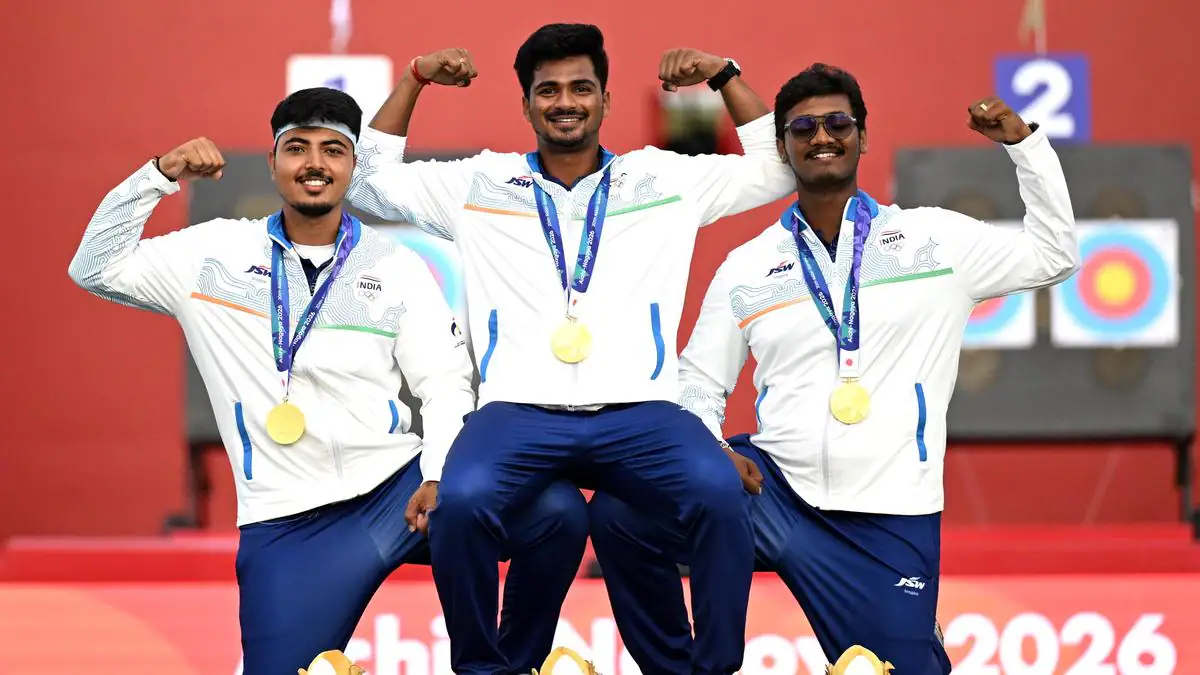
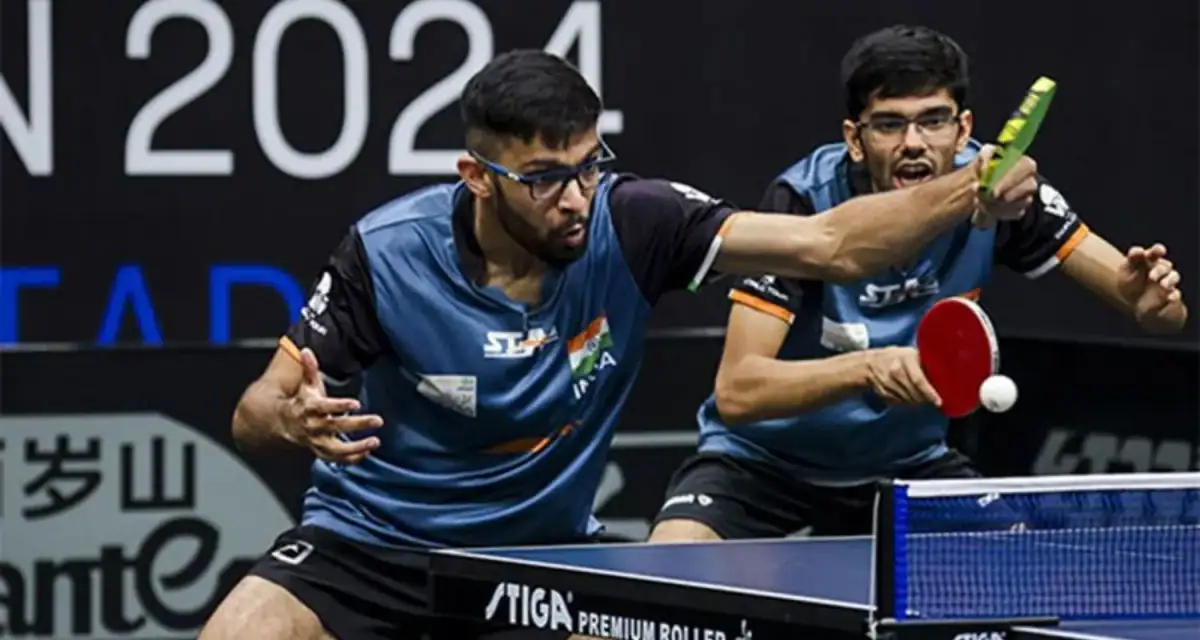
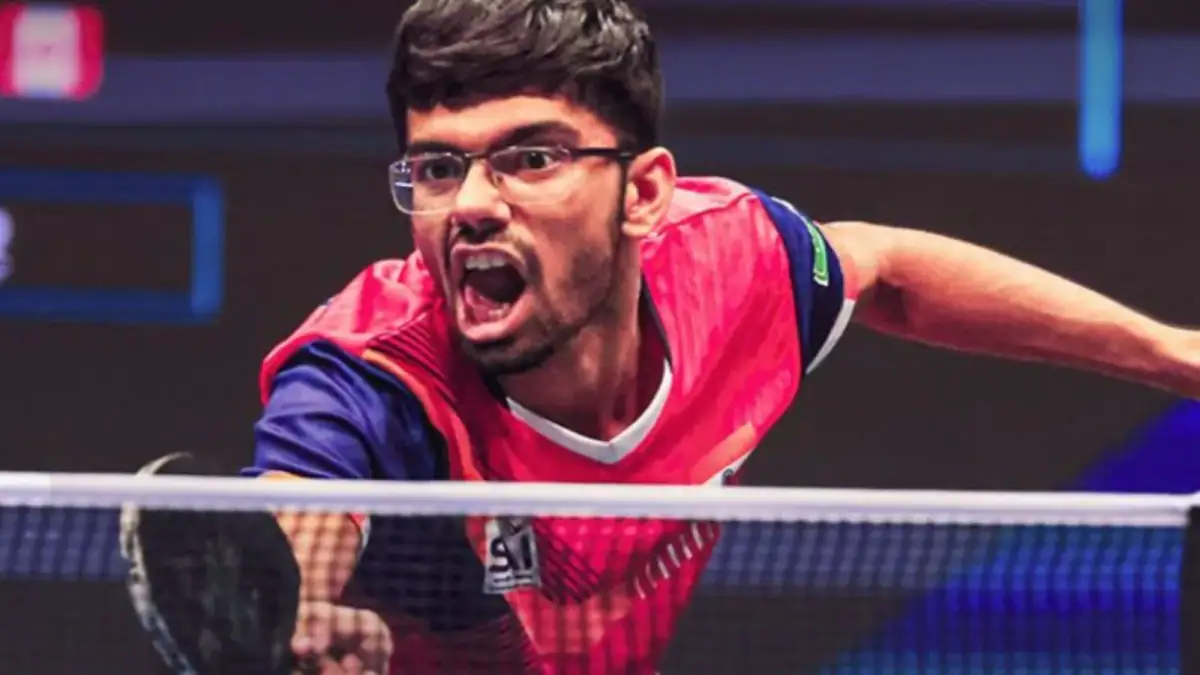
India's target in Aichi-Nagoya will not be to challenge China directly for overall supremacy. Instead, the objective is to continue building on the progress made at Hangzhou. The country has established strong medal-winning programmes in shooting, athletics, wrestling, boxing, archery, badminton, weightlifting and several other disciplines.
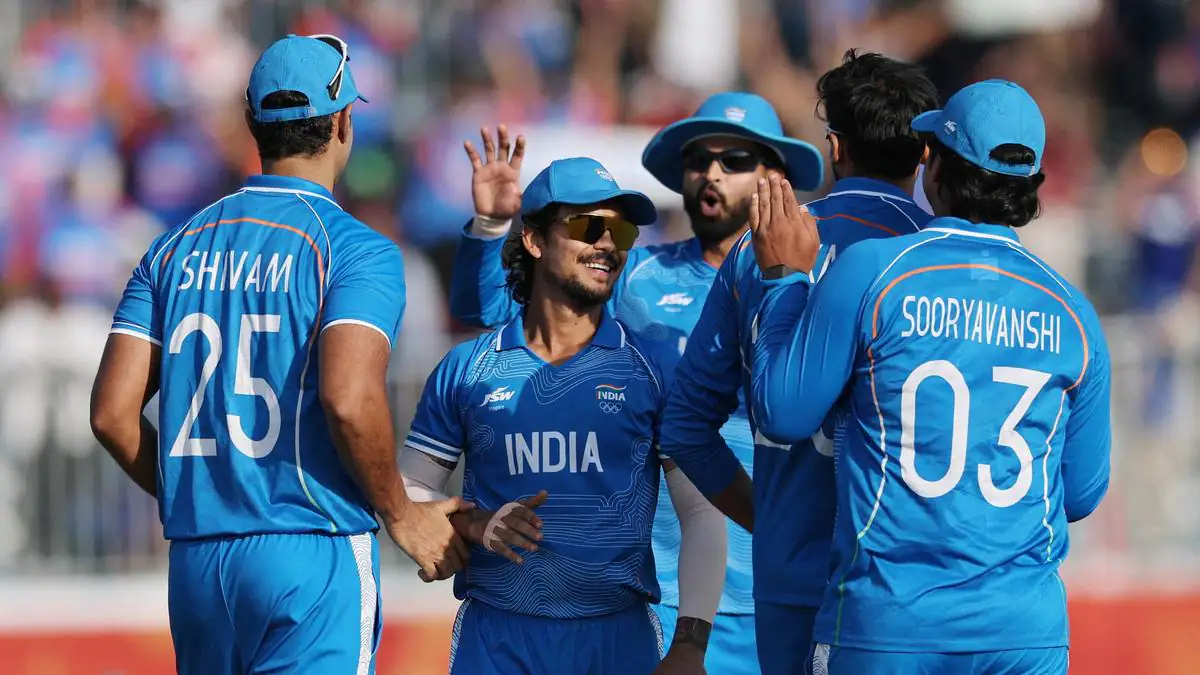
Team sports could also play an important role, while newer medal opportunities could emerge from disciplines where Indian athletes have made significant progress in recent years. The 503-athlete contingent provides a broad base from which those medal hopes can emerge.
China's huge delegation, however, means that the battle for the top of the medal table is likely to remain heavily tilted in its favour.
There is an important distinction between size and efficiency. It will compete in two more disciplines and 369 events, while also bringing a significantly larger support structure. But India does not need 815 athletes to have a successful Asian Games.
For India, the key question will be how many of its medal contenders can convert potential into podium finishes.
The absence of Chopra is an obvious setback, but the Indian contingent has enough depth to maintain ambitious targets. Athletics alone is aiming for 25-30 medals, while India's established strength in shooting, wrestling, boxing, archery and badminton provides further opportunities. China, meanwhile, will arrive with the expectation of extending a remarkable streak.
For the 12th consecutive Asian Games, China is targeting the top of the medal table.
India's challenge is different. It is about closing the gap, expanding its medal base and proving that the country's growing sporting depth can translate into sustained success on Asia's biggest multi-sport stage.
With 503 Indian athletes and 815 Chinese athletes heading to Aichi-Nagoya, the numbers suggest a clear advantage for China.
But once competition begins on September 19, medals not delegation size will determine who made the most of their opportunity.
Comments (0)
to post comments, replies, and votes.
Loading comments…