Prachi Lohan and Taniksha Khatri Create History, Reach Main Draw at Senior World Fencing Championships 2026
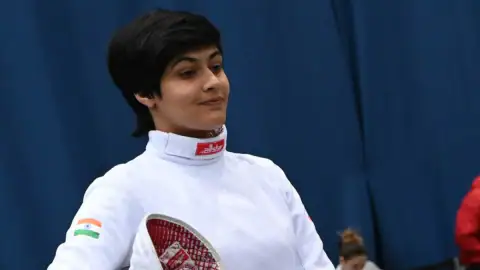
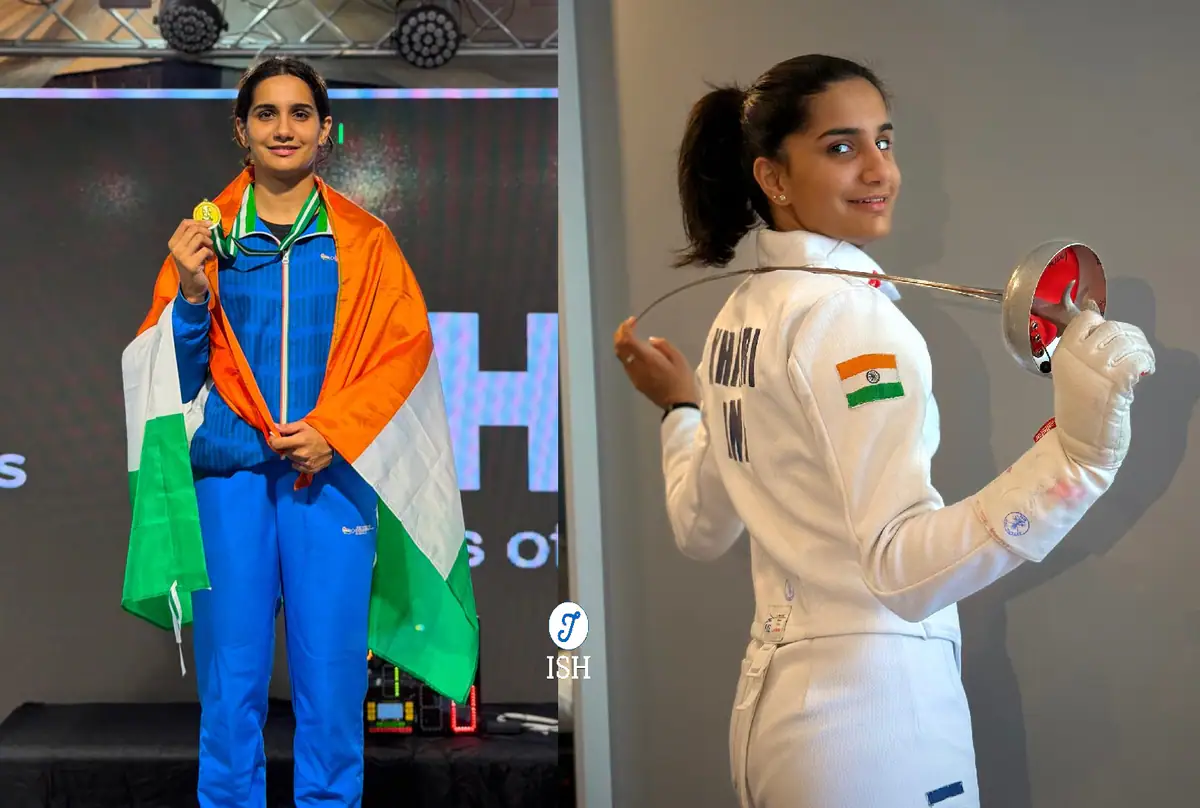
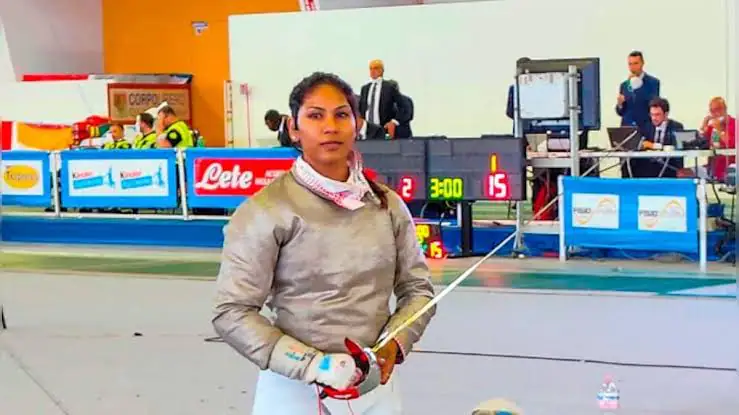
Indian fencing achieved a landmark moment on the global stage as Prachi Lohan and Taniksha Khatri became the first-ever Indian women's épée fencers to qualify for the Main Draw (Round of 64) at the Senior World Fencing Championships 2026 in Hong Kong.
Competing against some of the world's strongest fencers, both athletes produced outstanding performances to advance beyond the preliminary rounds, marking one of the biggest achievements in the history of Indian fencing. While Taniksha dominated her pool to earn direct qualification, Prachi showcased remarkable fighting spirit by defeating two accomplished opponents, including one of the tournament's highest-ranked fencers, to secure her place in the main draw.
The achievement represents another significant step forward for Indian fencing, a sport that has steadily gained momentum through increased international exposure and improved high-performance programmes over the past few years.
Prachi Lohan's route to the Round of 64 was nothing short of extraordinary. After progressing through the pool stage, the Indian faced Brazil's Victoria Vizeau in the preliminary knockout round. Prachi produced a composed performance to register a convincing 15-9 victory, setting up a daunting clash against China's Yang Jingwen, one of the tournament favourites and among the world's highest-ranked épée fencers.
Few expected the Indian to progress further. However, Prachi delivered the performance of her career. Displaying exceptional tactical discipline and composure under pressure, she edged past Yang Jingwen 15-14 in a dramatic contest that went right down to the final touch. Defeating a fencer of Yang's calibre on the world stage is among the biggest individual victories achieved by an Indian épée athlete and underlines the progress being made by the country's emerging generation.
Her reward is a challenging Round of 64 encounter against Italy's Giulia Rizzi, currently ranked World No. 8. While the task will be difficult, Prachi has already shown during the tournament that rankings count for little once the bout begins.
If Prachi impressed through her knockout victories, Taniksha Khatri took a different route to the main draw. The young Indian was outstanding during the pool stage, winning five of her six bouts to finish among the leading qualifiers and earn direct entry into the Round of 64 without having to contest an additional preliminary knockout.
Her consistency throughout the day reflected growing confidence and maturity against experienced international opponents. Winning five bouts in a highly competitive World Championship pool is an achievement in itself, particularly considering the quality of athletes participating from traditional fencing powerhouses across Europe and Asia.
Taniksha will now face Japan's Rin Kishimoto, currently ranked World No. 65, in the Round of 64. While the Japanese fencer enters with a higher international ranking, Taniksha's performances in Hong Kong suggest she possesses both the form and belief needed to challenge for another upset.
Historic Moment for Indian Fencing
The significance of the achievement extends beyond the individual performances of Prachi and Taniksha. Never before had two Indian women's épée fencers qualified for the Main Draw at the Senior World Championships. The tournament brings together the world's elite athletes, including Olympic champions, World Championship medallists and top-ranked fencers. Progressing through the preliminary stages has traditionally proved difficult for Indian athletes due to the depth of competition.
By reaching the Round of 64, Prachi and Taniksha have demonstrated that Indian fencing is steadily narrowing the gap with the world's leading nations. The achievement also serves as validation of the growing investment in coaching, international competition and athlete development within the country.
Over recent years, women's épée has emerged as one of India's strongest fencing disciplines. Regular exposure through Asian Championships, World Cups and international training programmes has helped Indian athletes gain valuable experience against world-class opposition.
Prachi and Taniksha's performances are a direct reflection of that gradual progress. Both athletes displayed qualities essential at the highest level—technical precision, tactical awareness and mental resilience.
Prachi's ability to close out a tense 15-14 victory over a top-ranked Chinese opponent highlighted her composure under pressure, while Taniksha's consistency across six pool bouts demonstrated her ability to maintain a high level throughout an entire competition day.
While the women's épée team celebrated a historic breakthrough, it proved to be a difficult day for India's men's foil contingent. None of the Indian men's foil fencers managed to progress beyond the pool stages, underlining the challenges still faced by Indian fencing in certain disciplines. Nevertheless, the success of Prachi and Taniksha ensured India had plenty to celebrate as the championships entered the knockout rounds. Their qualification guarantees India representation in the Main Draw, providing another valuable opportunity to compete against some of the world's best fencers.
Indian fencing has experienced steady growth over the last decade, supported by greater institutional backing, improved coaching infrastructure and increased participation in international competitions. Results such as these demonstrate that the sport is moving in the right direction.
Every victory over higher-ranked opponents not only boosts confidence but also provides invaluable ranking points and experience that will benefit athletes in future World Cups, Asian Championships and Olympic qualification events.
For young fencers across India, Prachi Lohan and Taniksha Khatri's performances send a powerful message that competing with the world's best is no longer an impossible dream.
As they prepare for challenging Round of 64 contests against Italy's Giulia Rizzi and Japan's Rin Kishimoto, the two Indians have already etched their names into the country's fencing history. Regardless of the outcome in the next round, their historic qualification marks an important milestone in the evolution of Indian fencing and offers renewed optimism that more breakthroughs will follow in the years ahead.
Comments (0)
to post comments, replies, and votes.
Loading comments…