Asian Fencing Championships 2026: Indian Men’s Sabre and Women’s Foil Teams Finish in Top 10 as South Korea and Japan Claim Gold
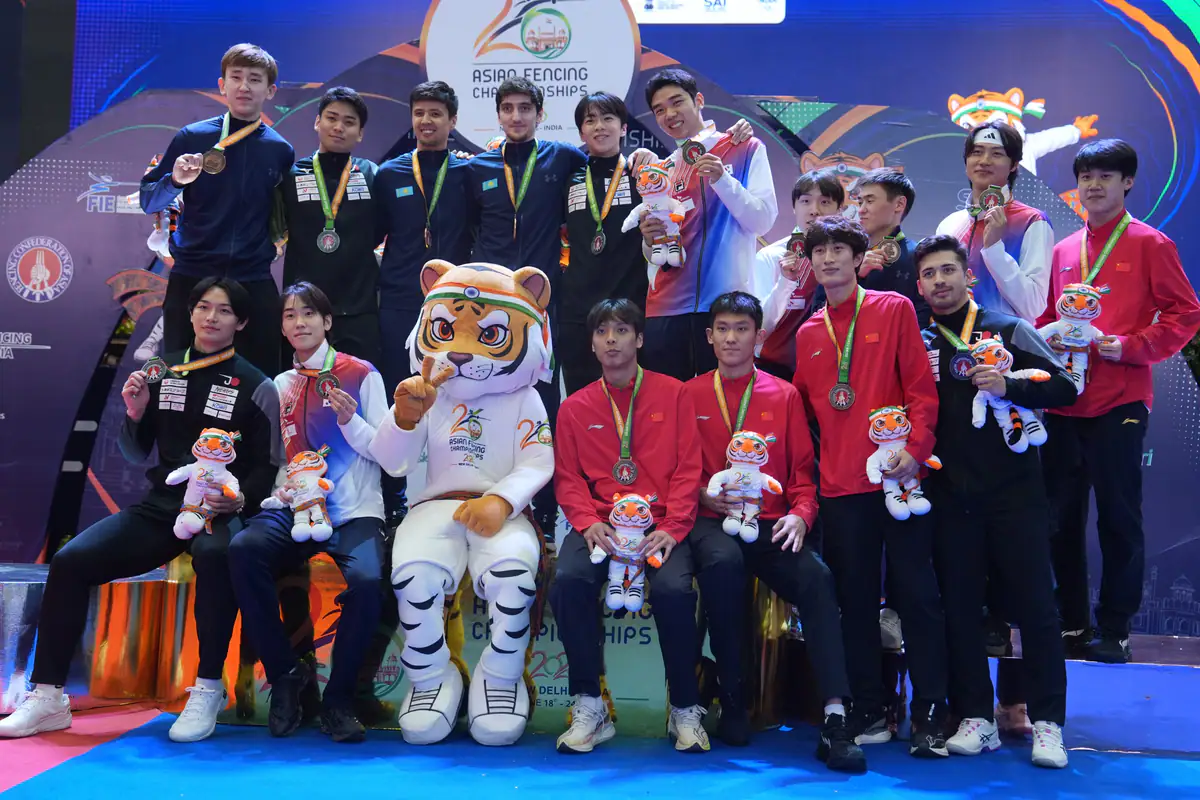
The fourth day of the Asian Senior Fencing Championships 2026 at Bharat Mandapam in New Delhi saw the spotlight shift to the team events, with India’s men’s sabre and women’s foil squads producing determined performances to secure top-10 finishes against some of Asia’s strongest fencing nations.
While South Korea and Japan continued their dominance by claiming gold medals in the men’s sabre and women’s foil competitions respectively, the Indian teams displayed resilience, competitive spirit and flashes of genuine promise on home soil.
For a nation still developing its presence in elite fencing, the performances offered valuable experience against Olympic-calibre opponents and highlighted the progress being made within the sport.
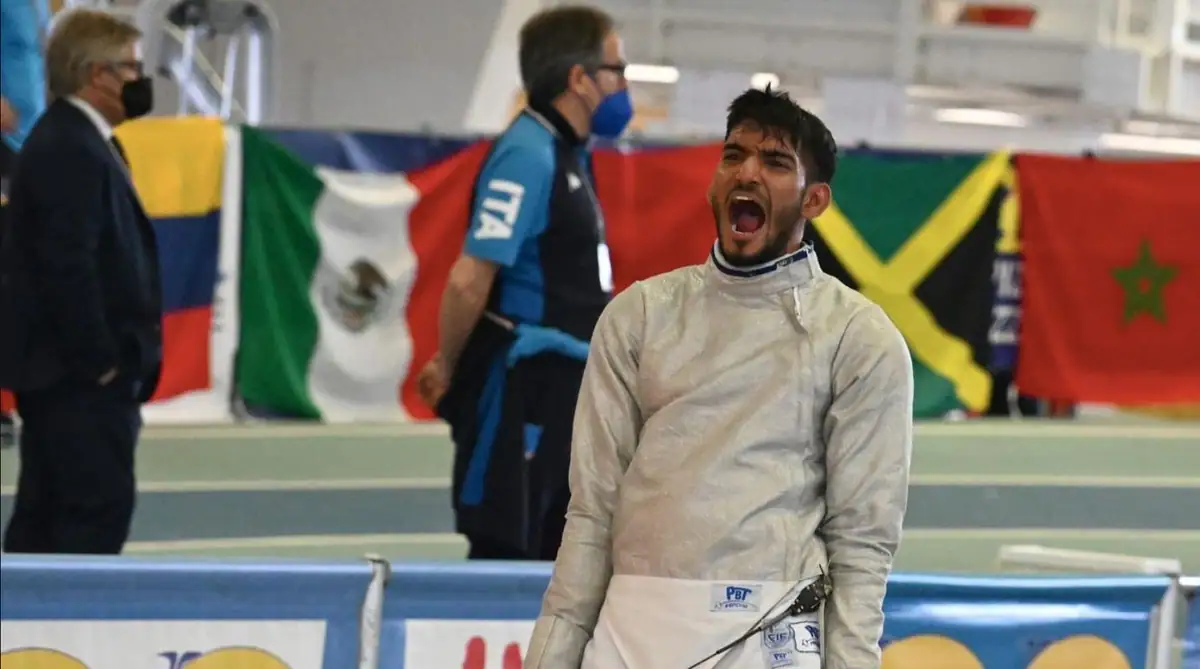
India fielded a young and energetic men’s sabre team comprising Vishal Thapar, Karan Singh, Gisho Nidhi Kumaresan Padma and Lakshay Badser. Entering the team event after encouraging individual performances earlier in the week, the quartet approached the competition with confidence and aggression. Throughout their campaign, they demonstrated improved tactical awareness and a willingness to take the initiative against higher-ranked opponents.
Their run eventually came to an end against an experienced Chinese side, but the contest provided several positives for the Indian camp. The fencers consistently challenged their opponents and showed the ability to compete at high intensity over the demanding 45-touch team format.
Among the standout performers was Karan Singh, whose explosive attacking style repeatedly caught the attention of spectators. His quick acceleration off the line and ability to score rapid touches reflected the athletic qualities required at the highest level and hinted at considerable potential for future international success.
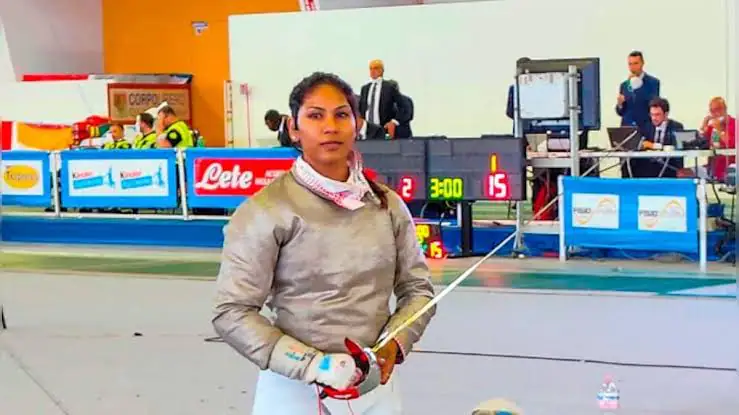
India’s women’s foil team, featuring Kanupriya Chawla, Joys Ashitha Stalinraj, Naorem Mina Devi and Sonia Devi Waikhom, also produced a spirited campaign despite narrowly missing out on a place in the quarterfinals.
Facing technically superior opposition, the young squad remained composed and continued to adapt throughout each encounter. The coaching staff’s tactical adjustments during matches helped India remain competitive and demonstrated the growing sophistication of the programme.
Although the results did not translate into a deep run in the competition, the team gained invaluable experience competing against some of Asia’s most accomplished fencers under the pressure of a major continental championship.
Their willingness to fight for every touch reflected the determination that has become a hallmark of India’s emerging fencing generation.
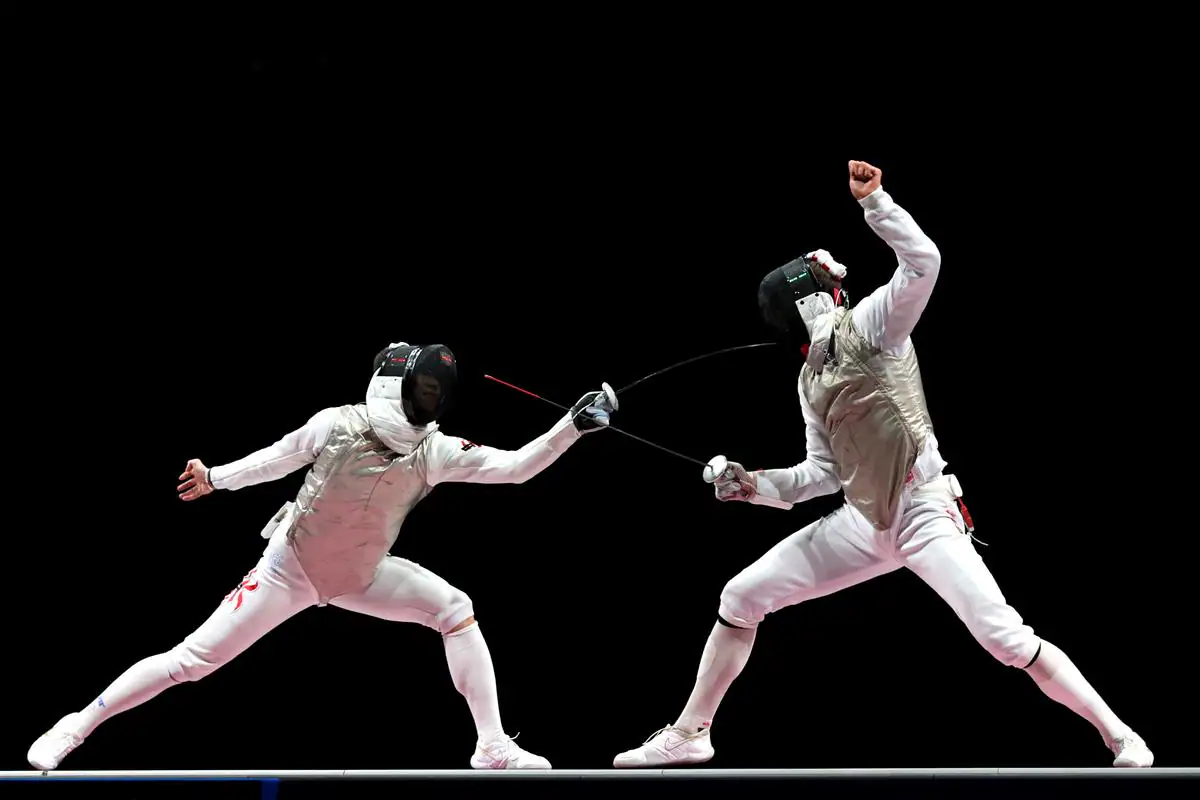
The men’s sabre competition culminated in an enthralling final between two of Asia’s fencing powerhouses, South Korea and Japan. Led by individual champion Oh Sang-uk and defending Asian champion Do Gyeong-dong, South Korea showcased exceptional speed, precision and tactical discipline to defeat Japan and capture the team gold medal.
Their performance reinforced South Korea’s reputation as one of the strongest sabre nations in the world and demonstrated the depth of talent within their programme.
Japan answered South Korea’s success by claiming the women’s foil team title. Powered by individual gold medallist Yuka Ueno, the Japanese team displayed remarkable technical consistency and excellent coordination throughout the competition before overcoming South Korea in the championship match.
The victory further strengthened Japan’s standing at the top of the medal table and continued its impressive run at the championships.
Despite finishing outside the medal positions, India’s top-10 result should be viewed in the context of the level of competition on display in New Delhi. Asian fencing features several Olympic champions, World Championship medallists and internationally established programmes from nations such as South Korea, Japan, China and Hong Kong. Against such opposition, India’s ability to remain competitive and produce moments of quality represents meaningful progress.
The performances also reflected the growing depth within the Indian squad, with multiple young athletes gaining exposure to elite competition that will prove invaluable for their long-term development.
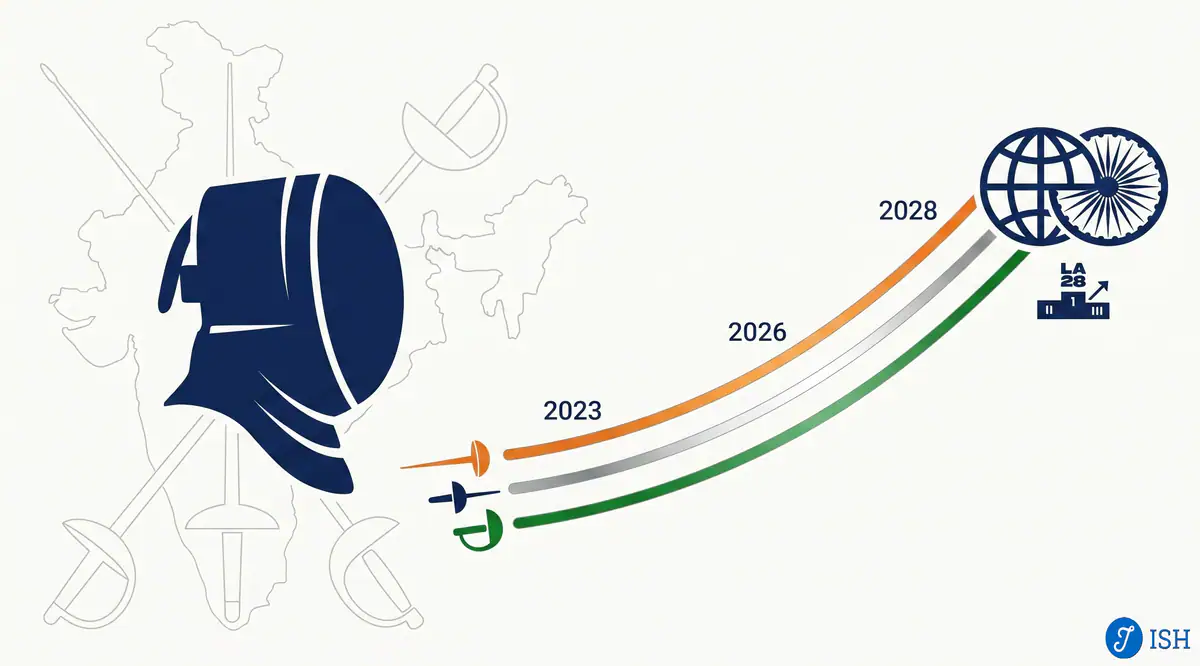
The Asian Senior Fencing Championships are not only a continental showcase but also a crucial stepping stone towards future qualification events for the Asian Games and the Los Angeles 2028 Olympic Games.
Competing on home soil has provided Indian fencers with the opportunity to measure themselves against the best in Asia while benefiting from strong local support. The experience gained through these high-pressure matches is expected to play a significant role in shaping the next phase of their development.
While South Korea and Japan continued to dominate the podium, India’s campaign offered reasons for optimism. The men’s sabre team’s aggressive approach and the women’s foil squad’s adaptability under pressure suggest that the gap between India and Asia’s traditional fencing powers is gradually narrowing.
As investment in coaching, infrastructure and international competition continues to increase, performances like these provide encouragement that Indian fencing is moving in the right direction. Though medals remained elusive on Day 4, the resilience and promise shown by the home teams indicate that brighter results could be on the horizon in future continental championships.
Comments (0)
to post comments, replies, and votes.
Loading comments…