Bhavani Devi Falls by One Point at Asian Fencing Championships as India Registers Encouraging Top-32 Finishes
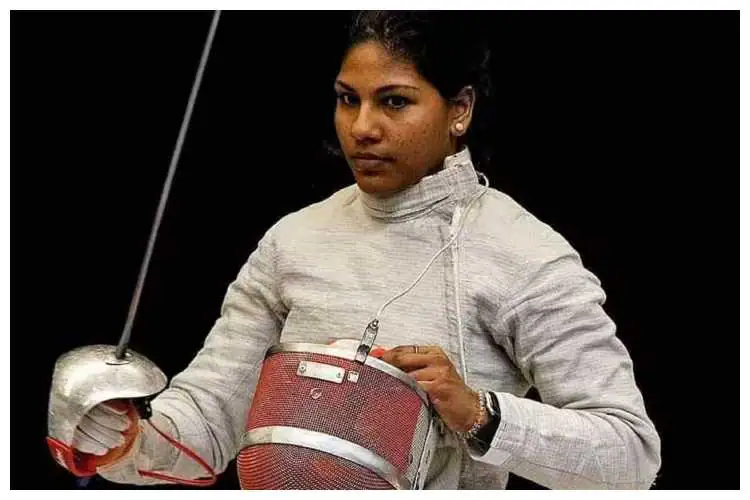
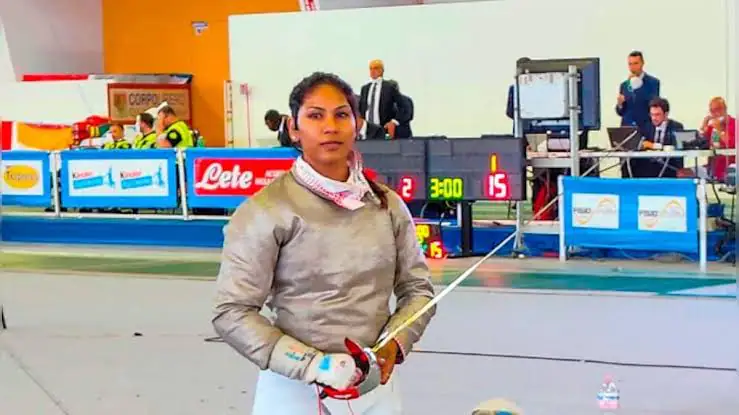
India’s challenge at the Asian Fencing Championships witnessed moments of promise and heartbreak as Olympian C. A. Bhavani Devi came agonisingly close to upsetting one of Asia’s top-ranked fencers before losing 14-15 in the women’s sabre Round of 32.
Despite the defeat, the Indian contingent produced several encouraging performances, with multiple athletes securing top-32 finishes against a highly competitive field. Competing against South Korea’s Choi Sebin, an Olympic team silver medallist and World Championships medallist, Bhavani pushed her illustrious opponent to the limit in one of the closest knockout contests of the day. The one-point margin reflected the fine balance between victory and defeat at the highest level of international fencing.
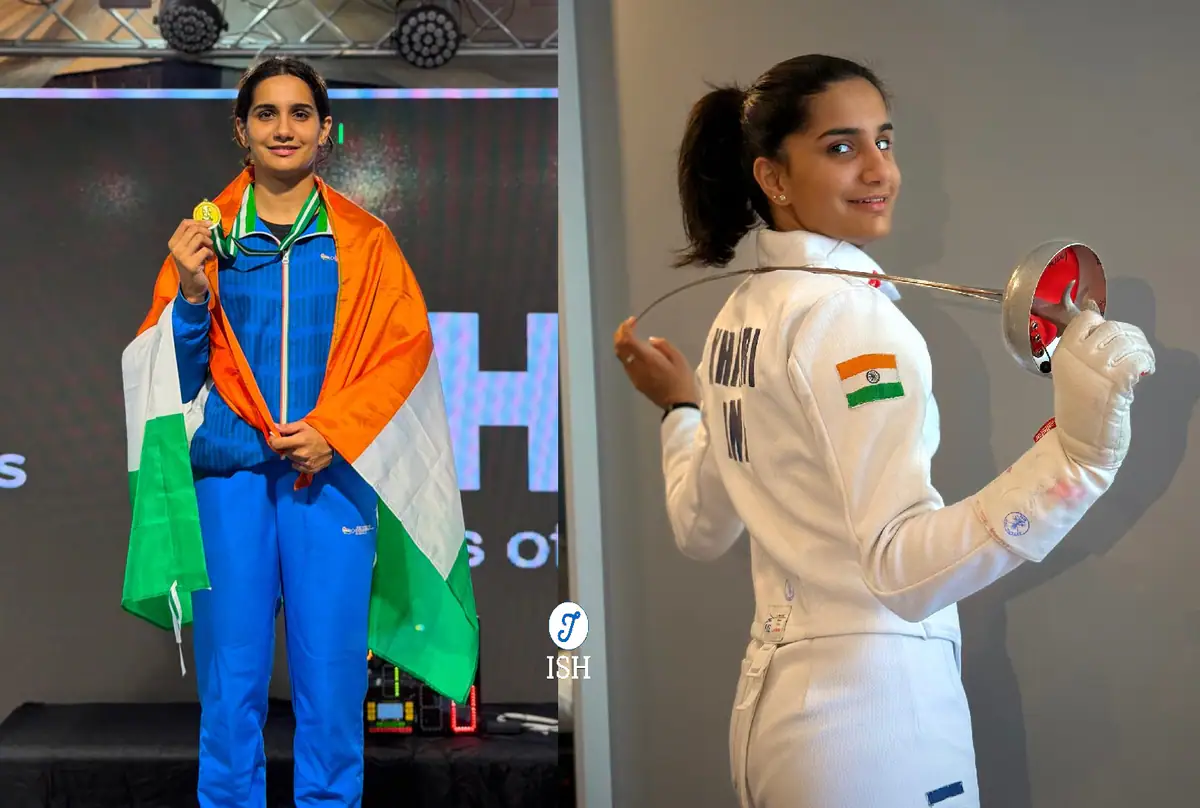
As India’s most accomplished fencer and the country’s first Olympian in the sport, Bhavani Devi entered the championships carrying considerable expectations. Her Round of 32 clash against Choi Sebin proved to be a showcase of tactical discipline and resilience. Throughout the bout, Bhavani matched the South Korean touch for touch, refusing to allow her decorated opponent to establish a comfortable lead.
The contest remained evenly poised until the closing exchanges before Choi edged ahead to seal a narrow 15-14 victory. While the result ended Bhavani’s campaign, her performance demonstrated that she remains capable of competing with some of the very best fencers in Asia.
The final ranking of 23rd may not fully reflect the quality of her display, particularly given the calibre of opposition she faced at an early knockout stage.
Beyond Bhavani’s performance, India had additional positives to take away from the women’s sabre event. Shreya Gupta concluded the competition with an impressive 26th-place finish, showcasing consistency against experienced international opponents. J. S. Jefarlin also progressed into the top 32, ending her campaign in 32nd position.
Having three Indian women secure places inside the top 32 underlines the gradual improvement in the nation’s sabre programme and highlights increasing depth beyond its leading star.
Exposure to elite-level competition against established Asian fencing nations will provide valuable experience as these athletes continue their development toward future continental and global events.
India also delivered encouraging performances in the men’s épée competition, where Joseph Bennet emerged as the country’s top finisher. Competing in a large field of 83 participants, Bennet finished 22nd overall after producing a series of competitive bouts against quality opposition. His result placed him comfortably among the leading performers from the Indian contingent and demonstrated his ability to compete consistently on the continental stage.
Sherjin Shanthimol and Aloshious Joshy also represented India with determination, finishing 47th and 54th respectively in a discipline known for its depth and unpredictability.
Although India did not secure a medal on this occasion, the performances across both women’s sabre and men’s épée offered several encouraging indicators for the future. Bhavani Devi’s narrow defeat to one of Asia’s premier fencers highlighted just how competitive India’s leading athletes have become against world-class opposition. Losing by a single point to an Olympic and World Championships medallist demonstrates that the gap between Indian fencing and the continent’s traditional powerhouses continues to narrow.
Similarly, the top-32 finishes recorded by Shreya Gupta, J. S. Jefarlin and Joseph Bennet reflect growing consistency across multiple events rather than reliance on a single athlete.
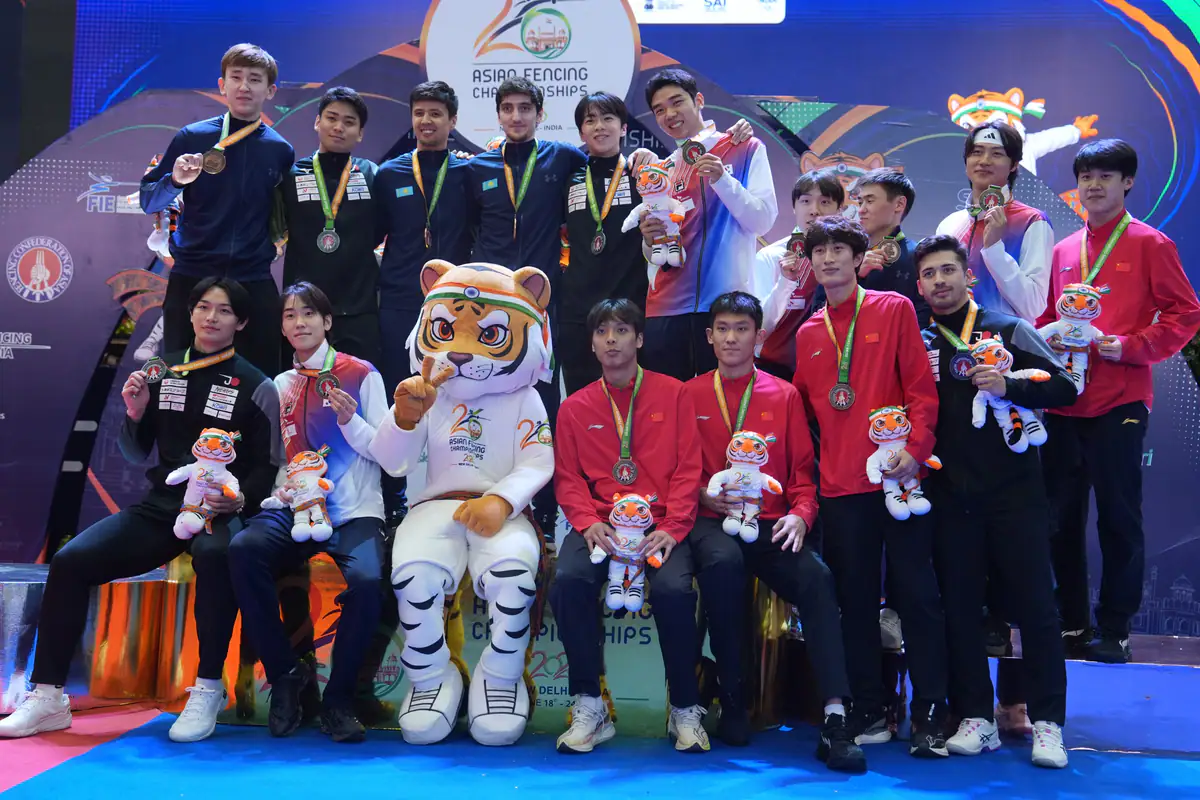
The Asian Fencing Championships remain one of the strongest regional competitions in the world, regularly featuring Olympic medallists, world champions and top-ranked athletes from nations such as South Korea, Japan and China. For Indian fencers, competing in such an environment provides invaluable experience that cannot easily be replicated elsewhere. Every close contest and knockout appearance contributes to improving tactical awareness, mental resilience and decision-making under pressure.
Bhavani Devi’s spirited performance against Choi Sebin in particular serves as an example of the level Indian athletes are increasingly capable of reaching when competing against elite opponents.
While the immediate disappointment of Bhavani Devi’s one-point defeat will linger, the broader picture remains positive for Indian fencing. The performances of the women’s sabre squad and the encouraging showing in men’s épée indicate a programme that is steadily building competitiveness at the continental level.
As India continues investing in athlete development and international exposure, results such as these provide optimism for the future. The experience gained from facing some of Asia’s strongest competitors will be invaluable as the fencers prepare for upcoming international tournaments and the long road toward future Olympic qualification.
For now, Bhavani Devi’s valiant effort and the multiple top-32 finishes achieved by the Indian contingent stand as evidence of a nation continuing to make meaningful strides in a sport where margins are often measured by a single touch.
Comments (0)
to post comments, replies, and votes.
Loading comments…