Asian Senior Fencing Championships 2026: Indian Fencers Show Promise as Prachi Lohan and Sachin Lead Home Challenge
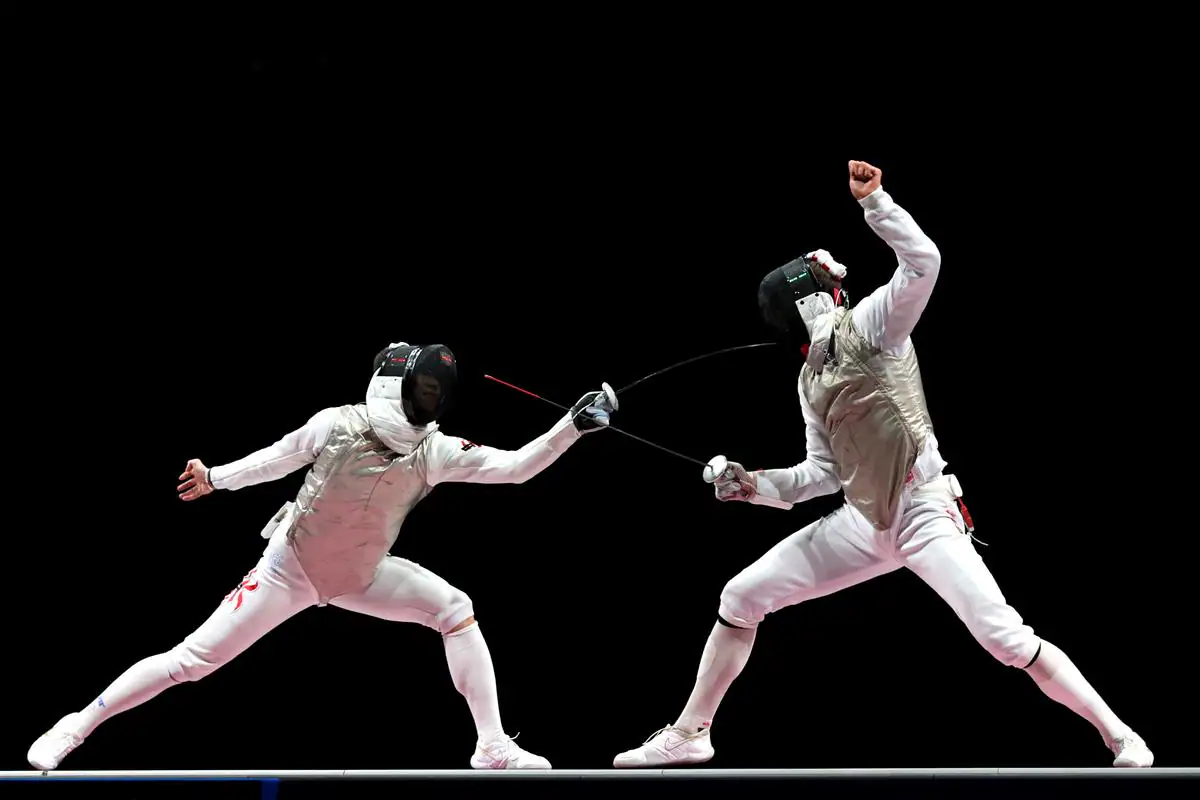
The third day of the 26th Asian Senior Fencing Championships in New Delhi provided Indian fencing fans with plenty of reasons for optimism despite the absence of a home medal.
Competing against some of Asia’s strongest fencers, the young Indian contingent produced encouraging displays, with Prachi Lohan and Sachin emerging as the country’s top performers in the women’s épée and men’s foil events respectively.
Held at Bharat Mandapam, the championships serve as a crucial qualification event for both the upcoming Asian Games and the Los Angeles 2028 Olympic Games, making every bout significant for athletes chasing international ranking points and valuable competitive experience.
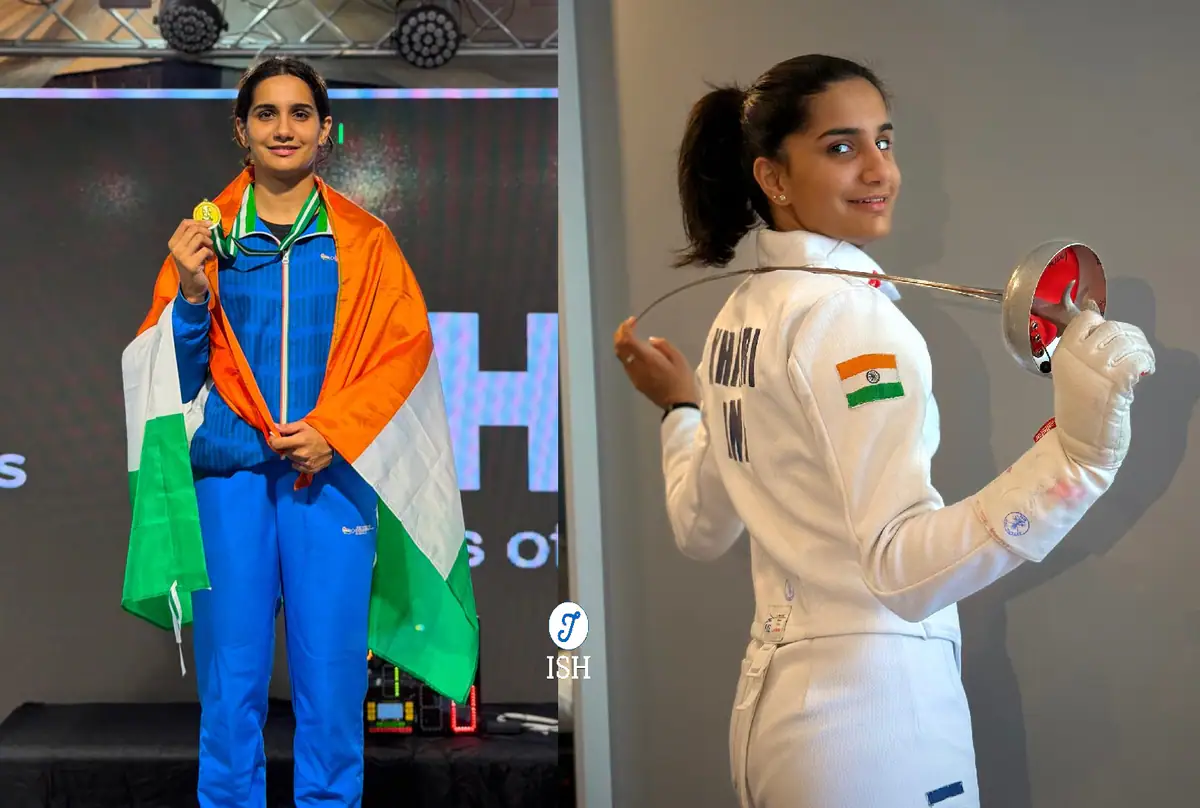
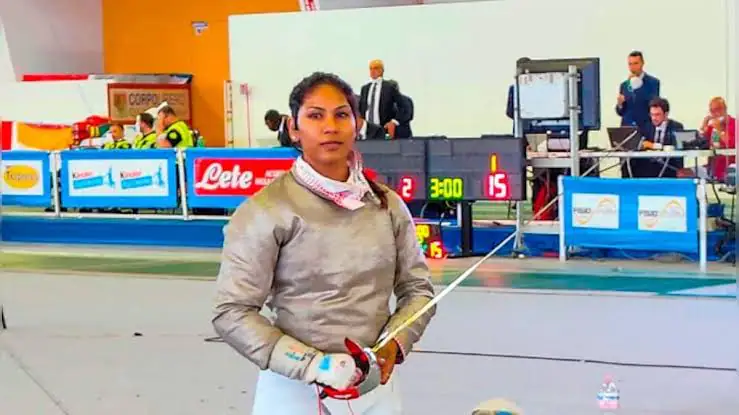
Among the Indian contingent, Prachi Lohan delivered the standout performance by finishing 22nd in the women’s épée competition. Facing a highly competitive field packed with Olympic medallists and world-ranked fencers, Prachi showed composure and resilience throughout the tournament. While she fell short of advancing into the medal rounds, her performance demonstrated the steady progress being made by India’s women’s fencing programme.
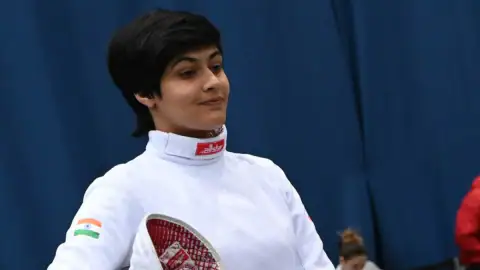
Youngster Taniksha Khatri also impressed by securing 29th place, highlighting the depth of emerging talent within the Indian squad. Meanwhile, Mitva Jesangbhai Chaudhari finished 35th and Yashkeerat Kaur Hayer concluded her campaign in 43rd position.
For a team still building experience at the continental level, the performances provided valuable exposure against elite opposition and offered encouraging signs ahead of future competitions.
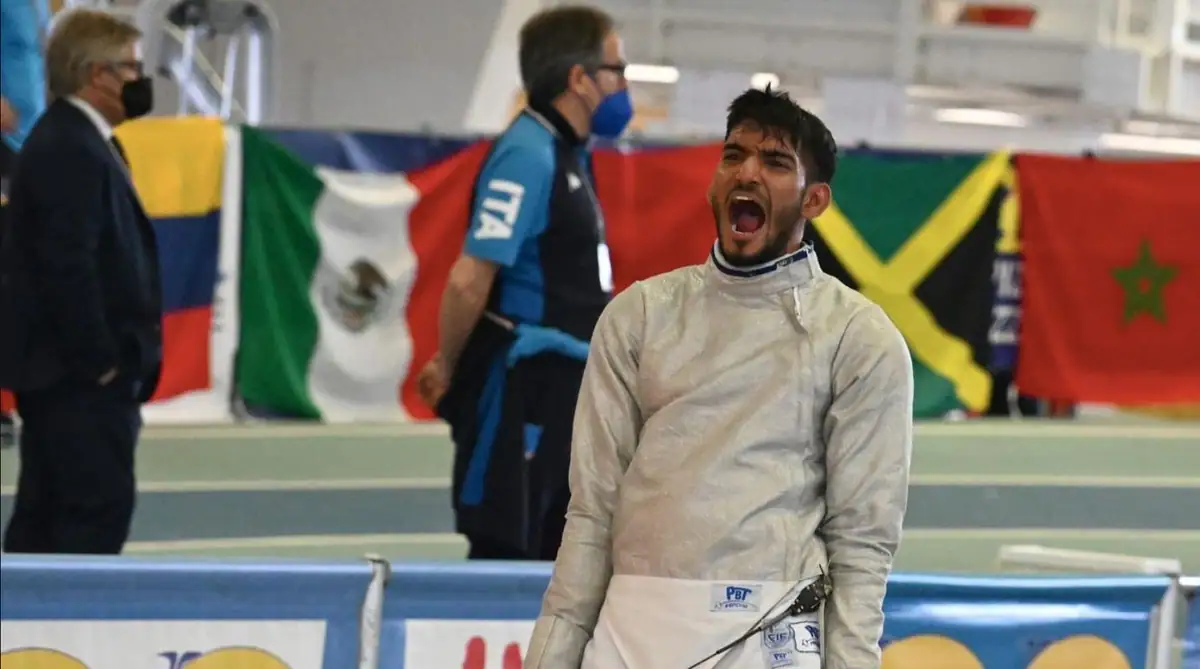
In the men’s foil event, Sachin led India’s challenge with a commendable 25th-place finish. Competing against a field featuring Olympic champions and established Asian stars, Sachin held his own and showcased flashes of technical quality that bode well for his long-term development.
He was followed by Sanasam Hemash Singh in 37th place, Tejas Manoj Patil in 47th and Aditya in 57th.
Although none of the Indian men advanced into the latter stages, the experience of competing on home soil against world-class opponents is expected to aid their development as the national programme continues to grow.
Away from the Indian performances, Day 3 produced some of the biggest surprises of the tournament. In the men’s foil competition, Hong Kong’s Cheung Ka Long, the reigning back-to-back Olympic champion and one of the sport’s biggest names, suffered a shock quarterfinal exit at the hands of South Korea’s Im Cheolwoo.
The surprises did not end there. Defending Asian champion Choi Chun Yin Ryan, also representing Hong Kong, was eliminated in the quarterfinals after losing to Japan’s Kyosuke Matsuyama.
The women’s épée event witnessed another significant upset when South Korea’s defending champion Song Se-ra was defeated in the semifinals by Kazakhstan’s Irina Bakaldina, ending her hopes of retaining the continental title.
The unexpected exits of several favourites transformed the medal races and underscored the growing competitiveness of Asian fencing.
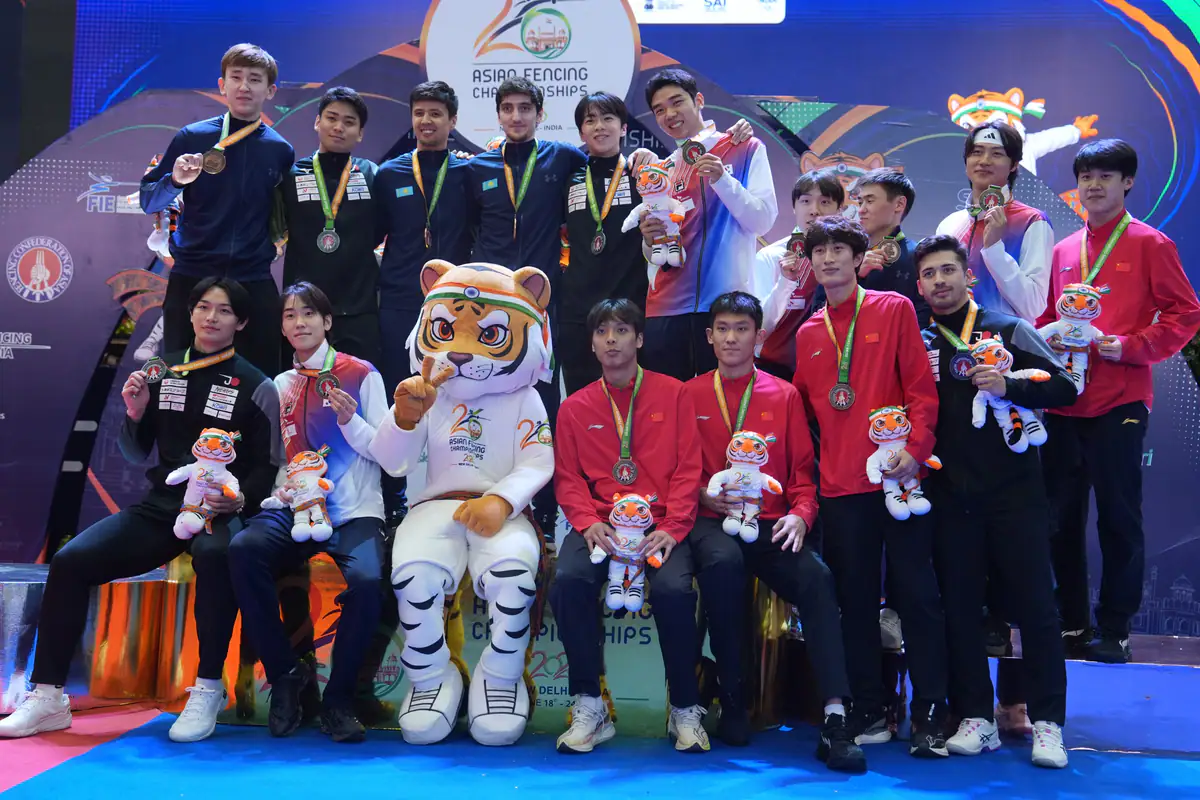
The men’s foil final ultimately became an all-Japanese affair, reflecting the nation’s continued dominance in the discipline. Kyosuke Matsuyama defeated compatriot Kazuki Iimura to secure the gold medal, while South Korea’s Im Cheolwoo and Jeonghyun Youn shared the bronze medals after impressive campaigns.
The victory further strengthened Japan’s position at the top of the overall medal standings and reinforced its reputation as one of Asia’s fencing powerhouses.
The women’s épée final produced a landmark achievement for Kazakhstan. Irina Bakaldina defeated Hong Kong’s Kaylin Sin Yan Hsieh to capture the gold medal and become the first Kazakh fencer to win an individual women’s épée title at the Asian Senior Championships.
Hsieh claimed silver, while Japan’s Tamaki Terayama and South Korea’s Song Se-ra finished with bronze medals. Bakaldina’s breakthrough victory was one of the defining stories of the day and highlighted the increasing diversity of medal-winning nations in Asian fencing.
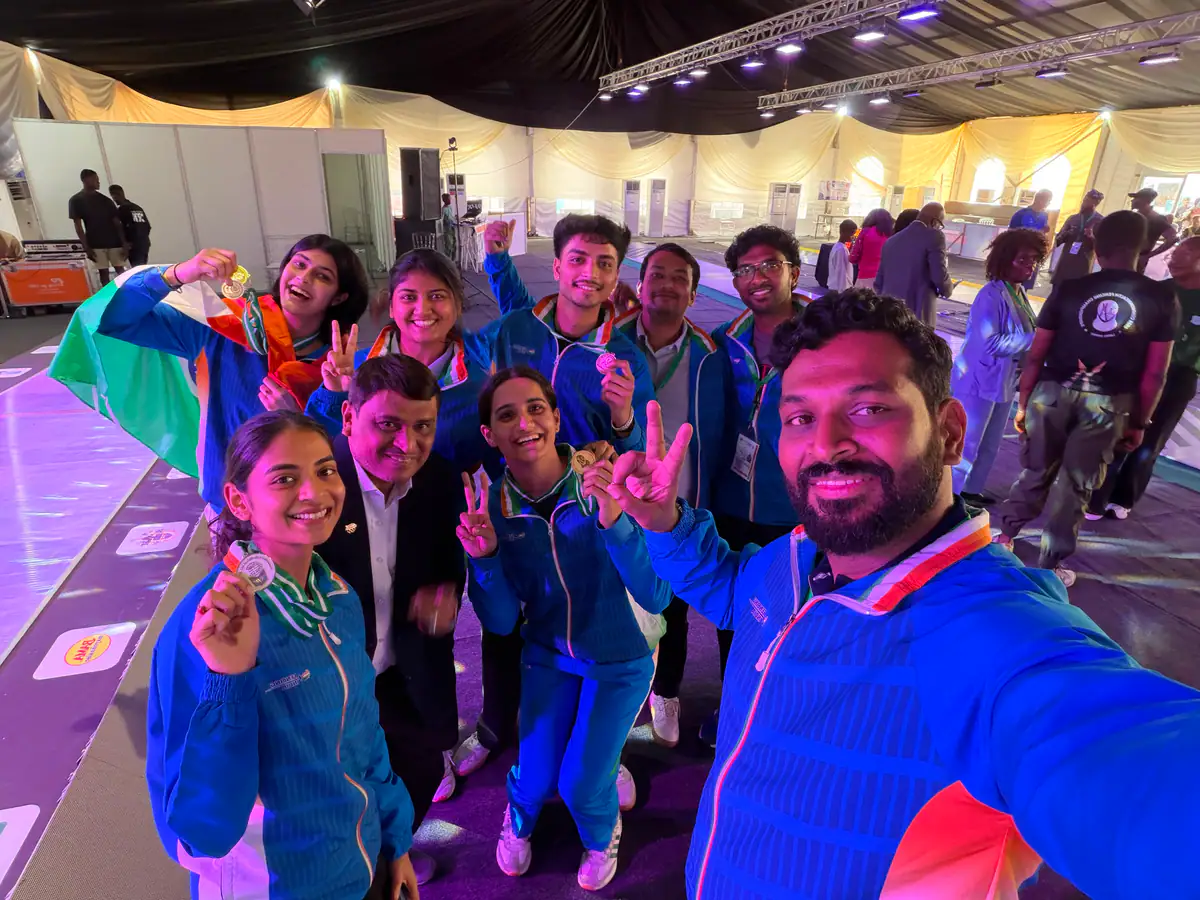
Although India did not feature in the medal rounds, the performances of Prachi Lohan, Sachin and several other young fencers demonstrated encouraging progress against top-tier competition.
Hosting the championships in New Delhi has given Indian athletes the rare opportunity to test themselves against Olympic champions, world medallists and Asia’s best performers on home soil. Such exposure is invaluable as they prepare for future qualification events and major international competitions.
The focus now shifts to the team events, where India will hope to build on the momentum generated by its promising individual performances. With the support of the home crowd and increasing investment in fencing development, the Indian contingent will look to translate its growing experience into stronger results in the coming days.
While Japan continues to lead the championship with three gold medals from the first four events, India’s young fencers have shown that they are steadily narrowing the gap and laying the foundation for future success on the continental stage.
Comments (0)
to post comments, replies, and votes.
Loading comments…