Asian Fencing Championships 2026: Bhavani Devi Leads India’s Charge as South Korea and Kazakhstan Claim Team Golds
The 26th Asian Senior Fencing Championships 2026 entered an intense new phase on Day 5 as the focus shifted from individual competitions to the high-pressure team events at Bharat Mandapam in New Delhi.
With qualification points for the Aichi-Nagoya Asian Games and valuable international ranking opportunities on the line, teams battled through demanding relay formats that tested not only technical ability but also tactical discipline and mental resilience.
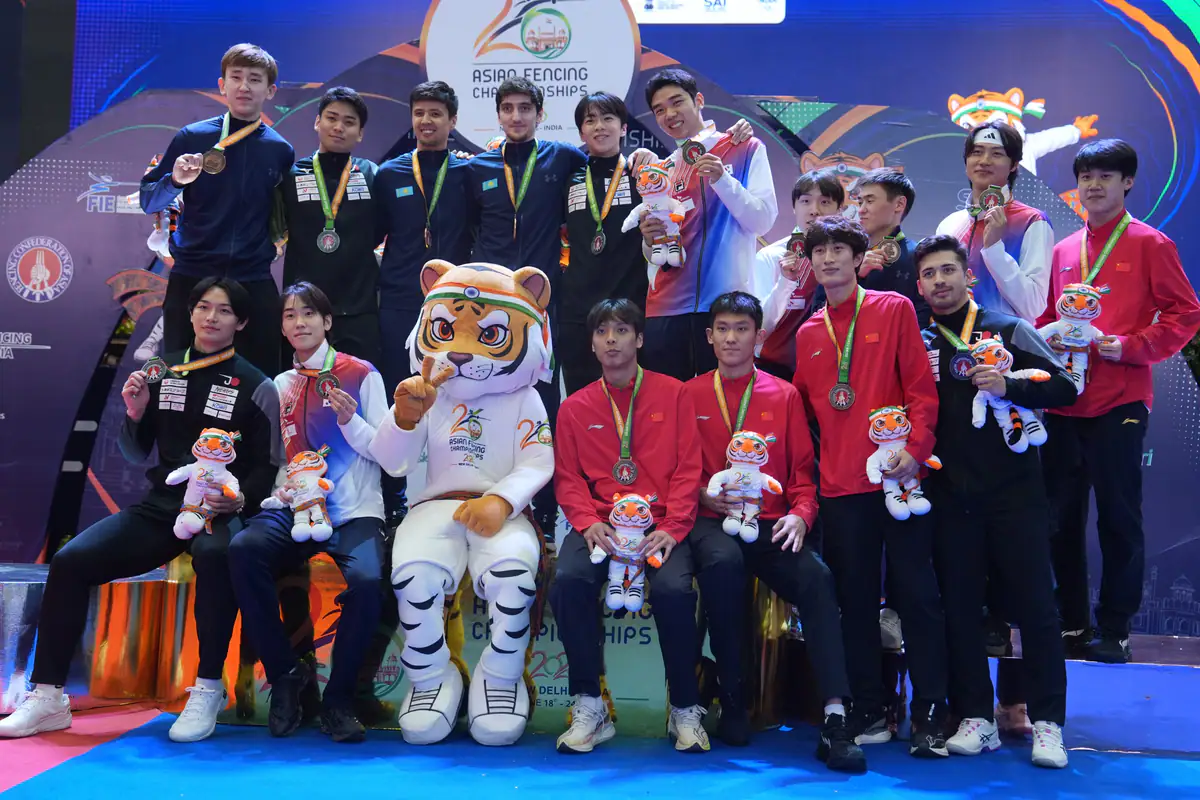
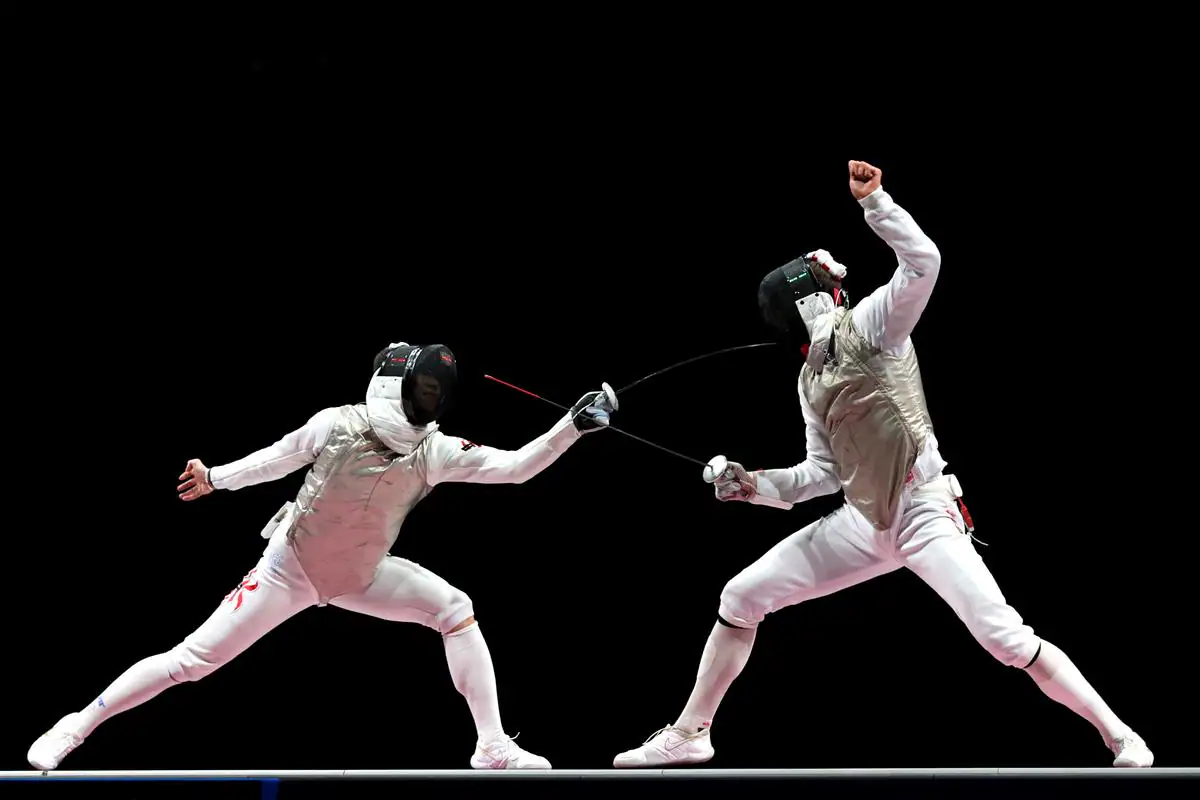
While South Korea captured the Women’s Sabre Team gold and Kazakhstan emerged victorious in the Men’s Épée Team event, the Indian squads produced spirited performances led by experienced campaigner C.A. Bhavani Devi and promising épée fencer Joseph Bennet, offering encouraging signs for the future of Indian fencing.
Unlike the individual competitions earlier in the week, the relay-based team format requires collective consistency and strategic planning over multiple bouts, with teams racing to 45 touches. Momentum can change rapidly during each rotation, placing enormous pressure on anchor fencers to recover deficits or protect slim leads. On Day 5, that pressure was evident across every piste as Asia’s leading fencing nations battled for supremacy.
The competition showcased why countries such as South Korea, Japan and Kazakhstan continue to dominate the continental stage through their combination of technical precision, squad depth and tactical adaptability.
The Women’s Sabre Team event produced one of the day’s standout contests. Powered by individual silver medallist Choi Sebin, South Korea displayed exceptional attacking speed and mastery of right-of-way situations throughout the knockout rounds. Their aggressive style consistently put opponents under pressure and enabled them to progress confidently to the gold medal match.
Awaiting them in the final was a strong Japanese side led by continental champion Sano Yui, whose disciplined tactical approach created an absorbing battle between two of Asia’s premier fencing nations.
After a closely contested relay featuring several momentum swings, South Korea held its nerve to secure the gold medal and reinforce its status as one of the dominant forces in Asian sabre fencing.
The Men’s Épée Team competition unfolded as a series of tense tactical battles, with every touch carrying enormous significance. Japan, anchored by individual champion Yamada Masaru and Olympic gold medallist Kano Koki, entered the event among the favourites after progressing efficiently through the draw.
However, Kazakhstan, guided by the experienced Ruslan Kurbanov, produced a composed and resilient display to reach the final before overcoming the Japanese team in a gripping contest.
Their victory secured a historic gold medal and demonstrated the growing strength of Kazakhstan’s fencing programme on the continental stage.
Bhavani Devi Leads India’s Women’s Sabre Team
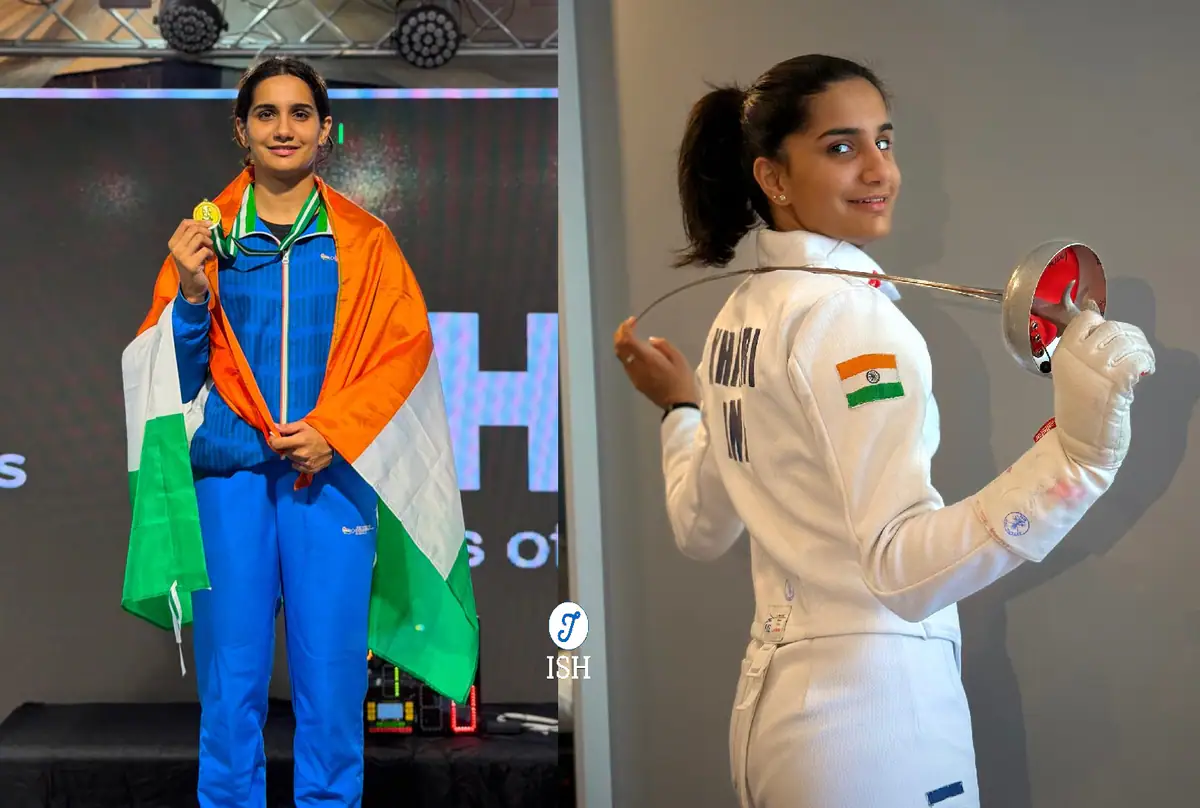
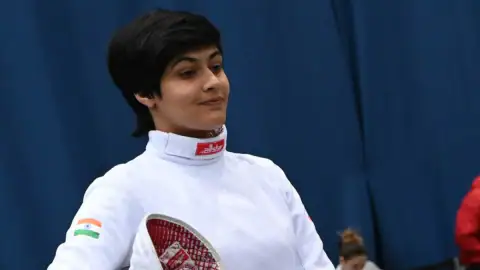
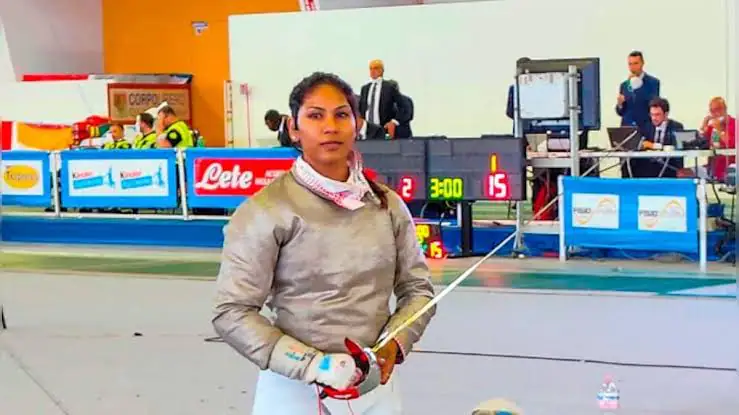
From an Indian perspective, much of the attention centred on C.A. Bhavani Devi, who once again shouldered leadership responsibilities for the national team. Competing alongside Shreya Gupta, Jefarlin J.S. and Shruti Joshi, Bhavani anchored several relay legs with her trademark attacking intent, using aggressive flèche actions to recover points and keep India competitive against more experienced opponents.
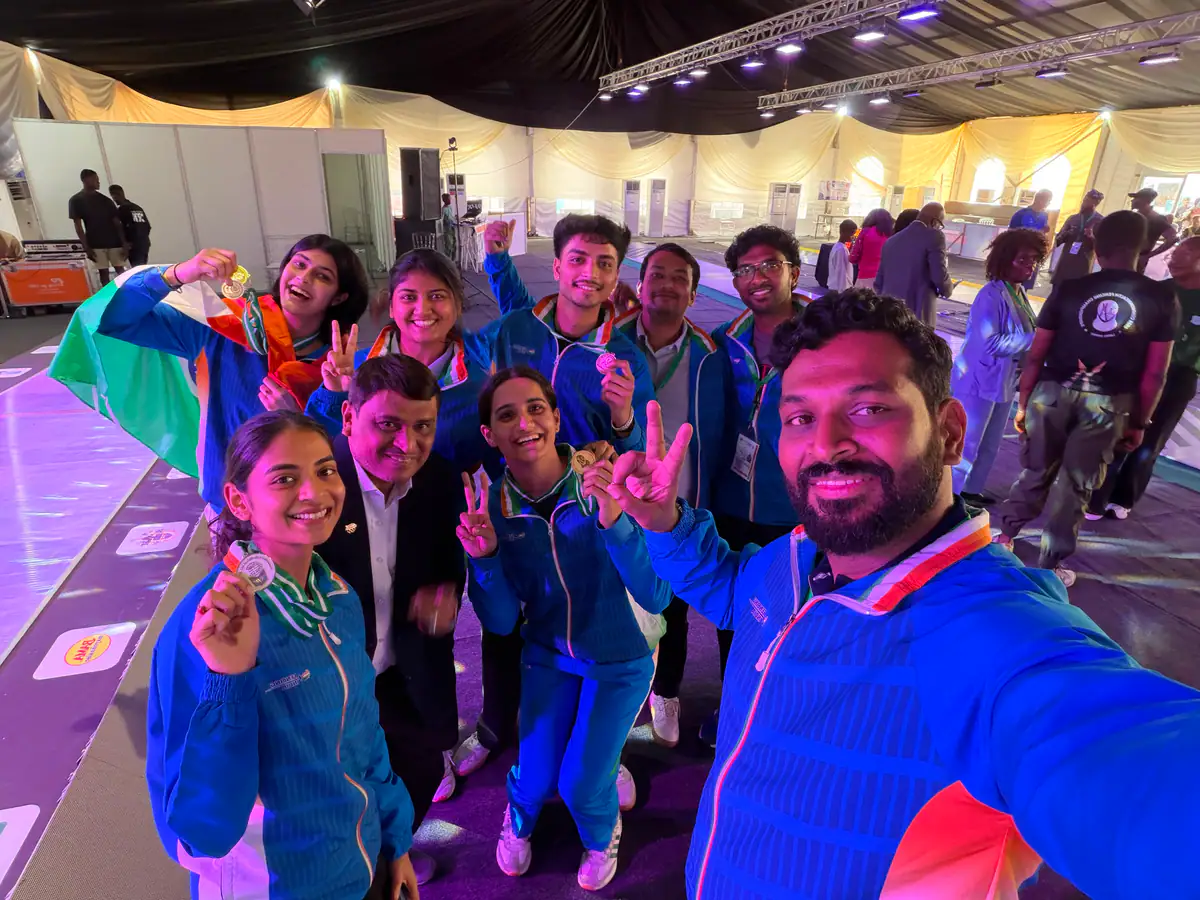
The Indian quartet displayed encouraging chemistry and fought hard throughout the elimination rounds, matching their opponents for intensity despite facing some of Asia’s strongest teams.
Although they were ultimately unable to progress into the medal rounds, their performance highlighted the steady improvement of India’s women’s sabre programme and suggested that the gap separating them from the continent’s elite continues to narrow.
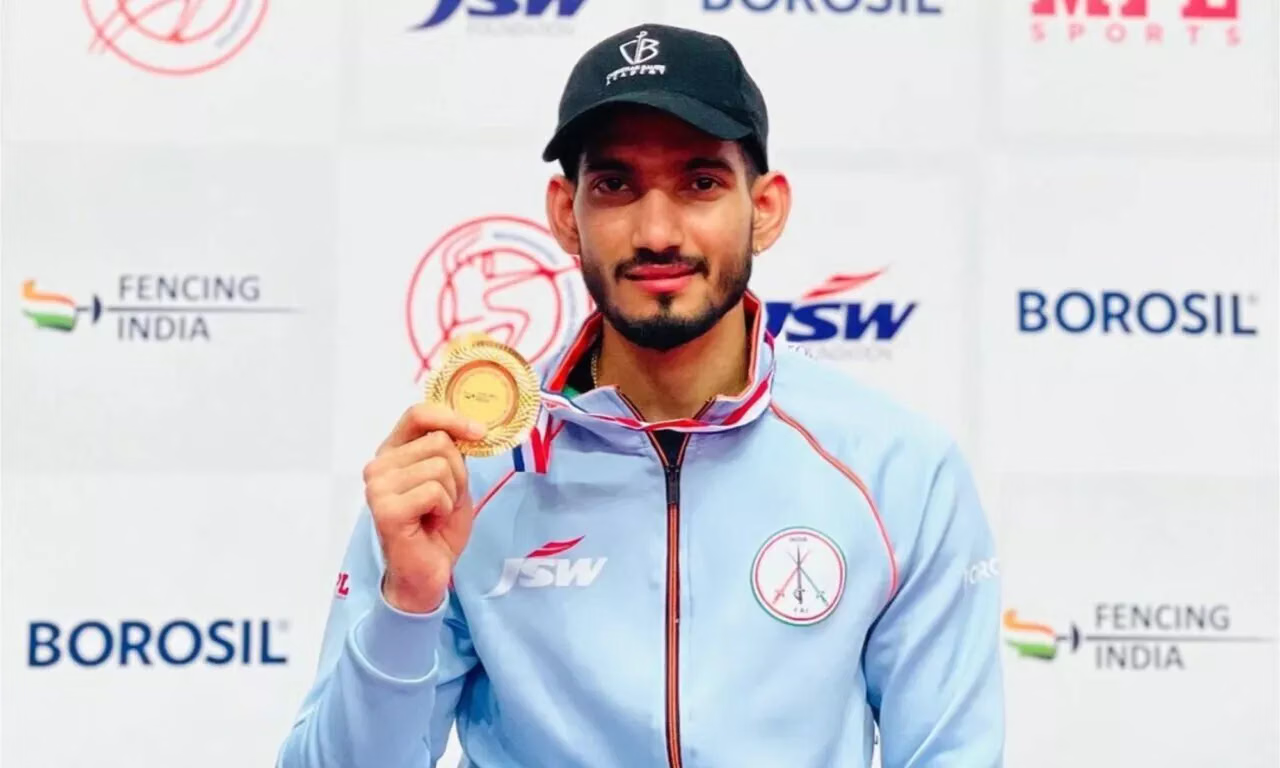
India’s Men’s Épée team also delivered a determined performance despite facing difficult opposition. Led by Joseph Bennet, the squad featured Sherjin Rajendran Shanthimol, Aloshious Koovakkal Joshy and Shaurya Ashwini, each contributing valuable touches during the demanding relay format.
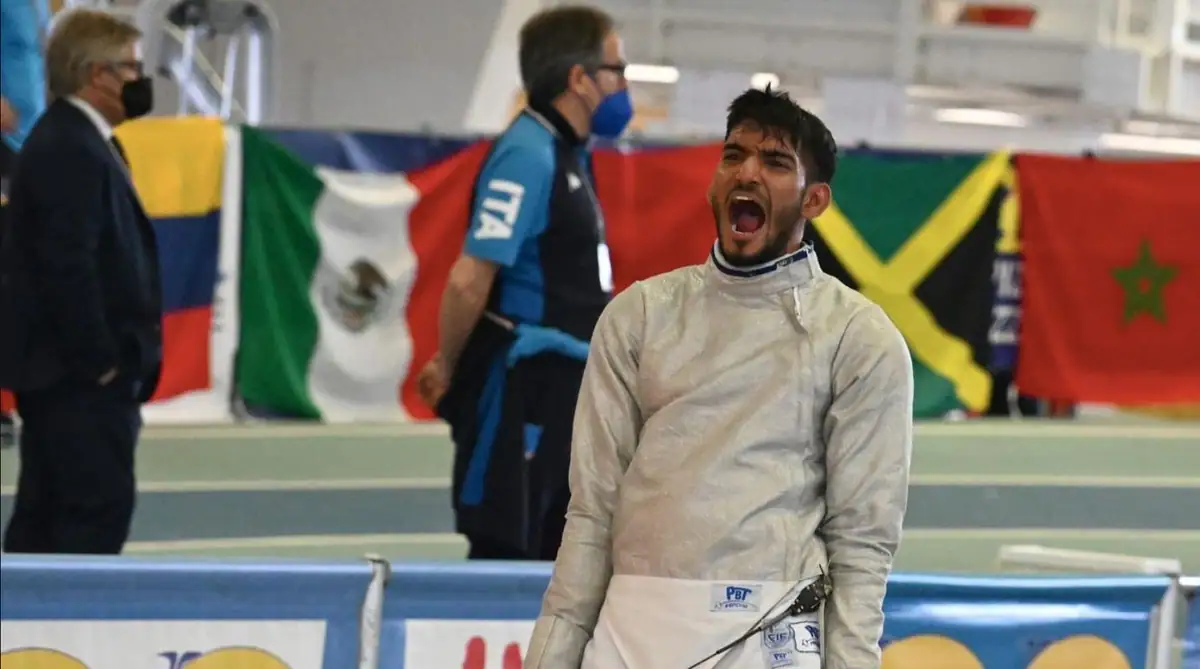
Bennet and Sherjin played particularly important roles in maintaining competitive scorelines during the middle stages of matches, while Shaurya and Aloshious demonstrated discipline in several tactical exchanges where patience proved just as important as aggression.
Facing teams renowned for their technical expertise and physical advantages, the Indian fencers avoided heavy defeats and collected valuable international experience that should aid their long-term development.
While podium finishes remained out of reach on Day 5, the performances of both Indian teams offered reasons for optimism. The women’s sabre squad showed improved tactical coordination and confidence under pressure, while the men’s épée team demonstrated resilience against some of Asia’s strongest programmes.
Competing on home soil against world-class opposition provides a unique opportunity to assess progress and identify areas requiring further development. The experience gained in New Delhi is expected to prove invaluable as Indian fencers prepare for future continental championships, World Cups and Olympic qualification events.
The Asian Senior Fencing Championships continue to serve as one of the most important competitions on the road to the Los Angeles 2028 Olympic Games, offering athletes an opportunity to compete against elite opposition while earning crucial ranking points.
For India, the displays by Bhavani Devi, Joseph Bennet and their teammates underline the nation’s growing competitiveness in a sport traditionally dominated by East Asian and Central Asian powers.
Although South Korea and Kazakhstan emerged as the headline winners on Day 5, India’s disciplined team performances reflected meaningful progress within the national programme. As the championships move into their concluding stages, the lessons learned from these high-intensity relay contests will provide a strong foundation for future campaigns and strengthen India’s ambitions of becoming a regular challenger on the Asian fencing circuit.
Comments (0)
to post comments, replies, and votes.
Loading comments…