VVS Laxman to Lead India at Asian Games 2026 as Gautam Gambhir Stays with Senior ODI Team
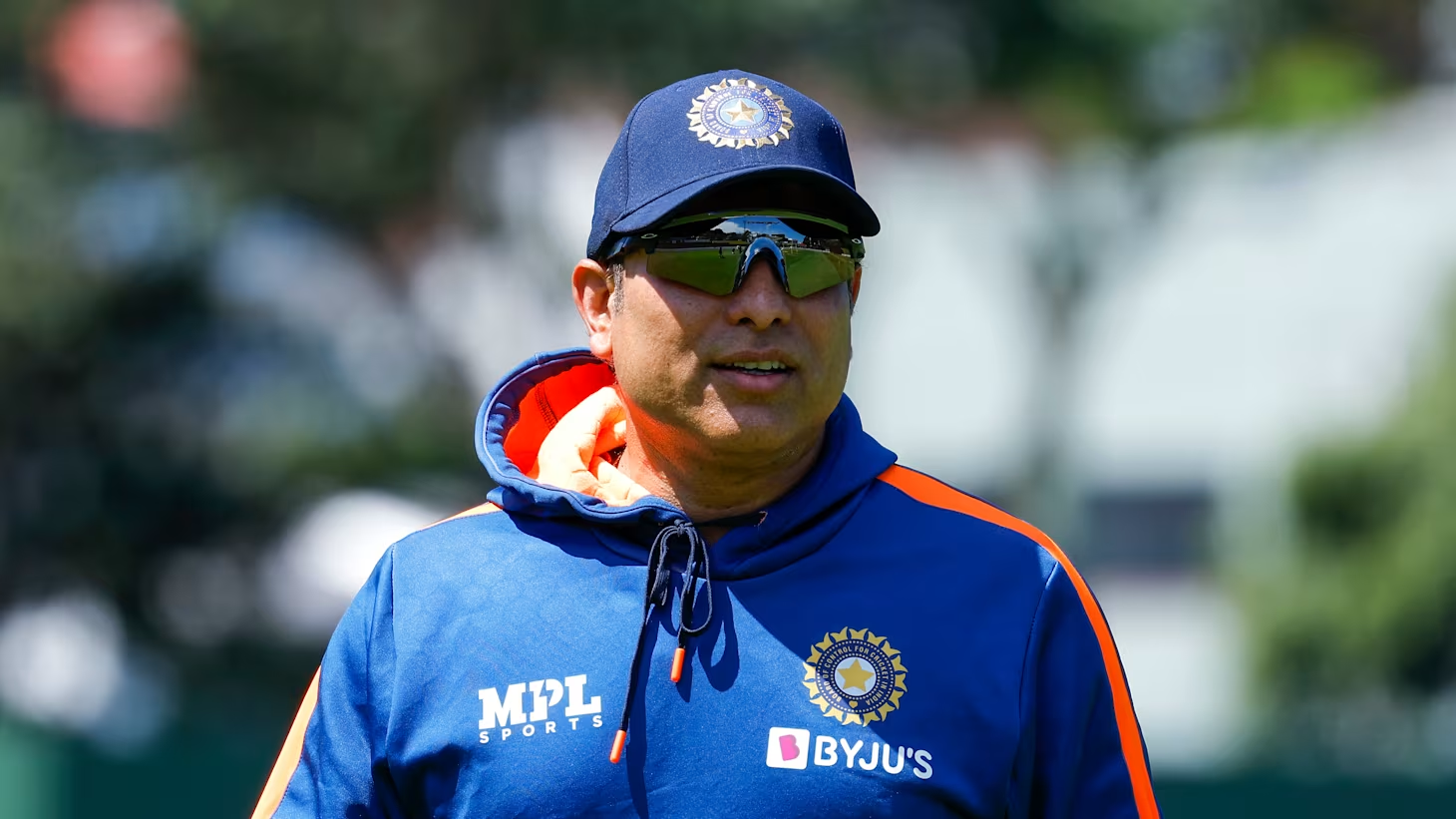
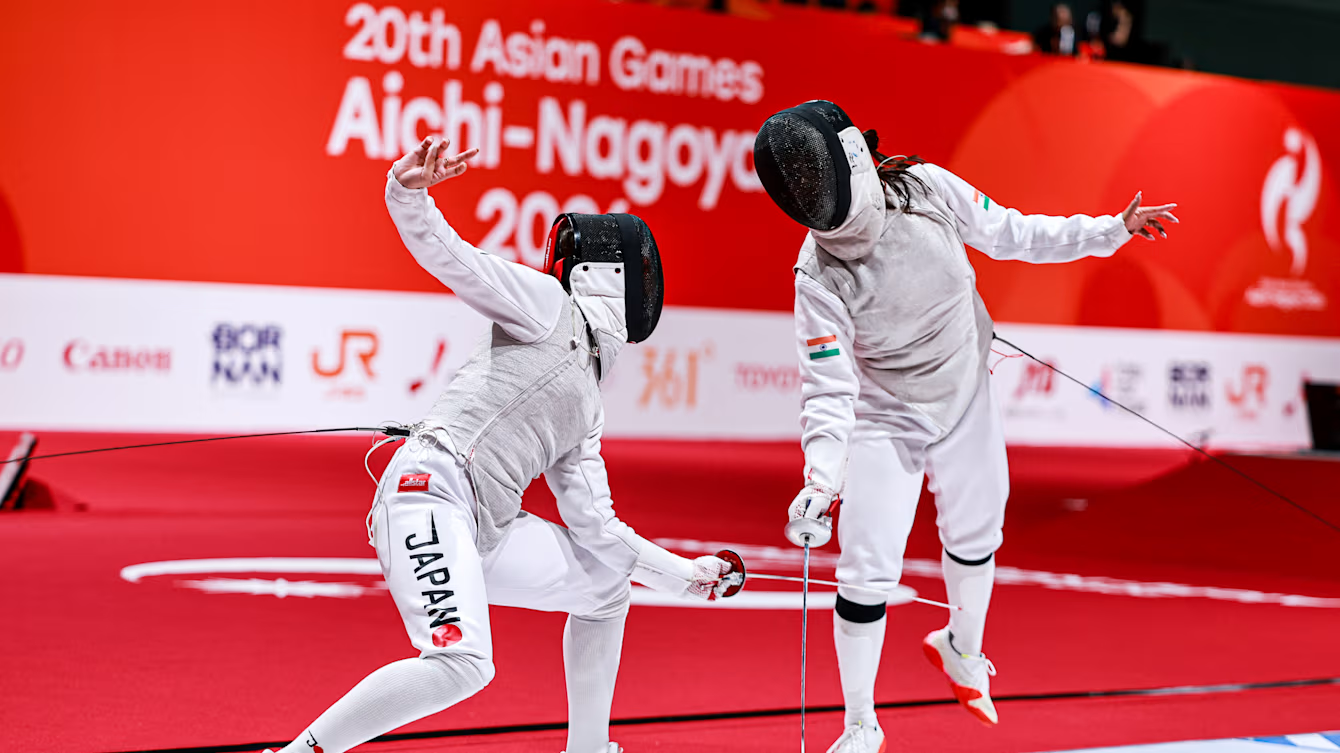
VVS Laxman will return to the Indian dugout at the Asian Games, with the former India batter set to take charge of the men’s cricket team during the upcoming continental multi-sport event in Aichi-Nagoya, Japan.
Laxman, who currently serves as the Director of Cricket at the National Cricket Academy, will lead India’s Asian Games campaign as the senior men’s team’s regular head coach Gautam Gambhir remains with the main side for the home ODI series against the West Indies.
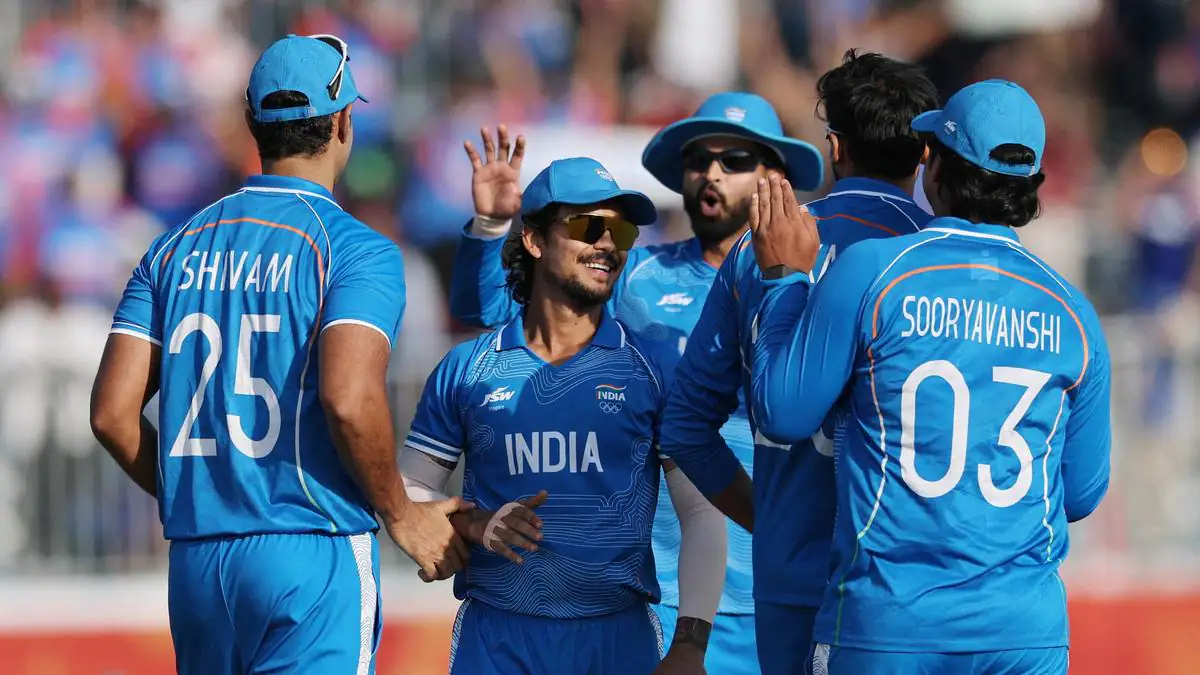
The decision gives Laxman another opportunity to oversee India at the Asian Games after he guided the men’s team to gold at the 2023 edition in Hangzhou, China.
He will be joined by a coaching group featuring Sunil Joshi, Hrishikesh Kanitkar and Subhadeep Ghosh, according to the list of coaches published by the Sports Ministry.
The appointment also provides continuity for Laxman, who has previously stepped into the role of interim head coach for the Indian team on several occasions and has extensive experience working with emerging players through the National Cricket Academy.
Laxman’s previous Asian Games assignment ended with India winning the gold medal in Hangzhou in 2023. His return for the Aichi-Nagoya edition means he will once again oversee an Indian side competing in a tournament where squad composition and player development can be just as important as the pursuit of a medal.
The timing of the Asian Games creates a scheduling challenge for Indian cricket. The cricket competition at the Asian Games is scheduled to begin on September 24, with India’s men’s team set to play its opening match on September 28. At the same time, the senior Indian men’s team will be preparing for its home ODI series against the West Indies, with the first ODI scheduled for September 27.
That overlap makes the division of responsibilities necessary, with Gambhir remaining in charge of the senior ODI side and Laxman taking responsibility for the Asian Games group.
The arrangement also allows the Indian team management to maintain a clear separation between the senior bilateral assignment and the continental multi-sport event.
Laxman will have experienced support around him in Japan. Former India spinner Sunil Joshi and former India all-rounder Hrishikesh Kanitkar are part of the coaching group, alongside Subhadeep Ghosh. Kanitkar has previously worked extensively with India’s women’s team and has experience coaching players at the domestic and international levels. Joshi, meanwhile, brings considerable experience as a former international cricketer and spin-bowling specialist.
The combination gives Laxman a coaching unit with experience across different aspects of the game and, importantly, familiarity with India's wider player pool.
For an Asian Games campaign, that could prove particularly useful as India looks to integrate players who may not be part of the regular senior setup.
The Indian women’s cricket team will also be competing in Aichi-Nagoya and will have a coaching structure headed by Amol Muzumdar. Muzumdar will be joined by bowling coach Aavishkar Salvi and fielding coach Munish Bali.
The women’s side will begin its Asian Games campaign directly in the quarterfinal stage, where it will face hosts Japan. India’s women had also won gold in the previous edition under Hrishikesh Kanitkar, meaning the team enters the 2026 tournament with a strong recent record in the competition.
The two Indian teams will therefore arrive in Japan with the same broad objective: defend India’s position at the top of Asian Games cricket.
Men’s campaign begins with a potentially tricky challenge
India’s men will face the second-placed team from Group A, which consists of Afghanistan, Japan and Nepal. That means the identity of India’s first opponent will only become clear after the group-stage results are decided.
While India’s position as one of the leading cricketing nations in Asia naturally makes it one of the favourites, the Asian Games format can present different challenges from a conventional bilateral series. Short-format cricket leaves little room for recovery after a poor start, while knockout-stage pressure can make even an apparently favourable matchup difficult.
For Laxman, therefore, the task will extend beyond simply preparing India to play good cricket. He will need to build a squad capable of adapting quickly to tournament conditions and handling the pressure of a medal event.
Laxman’s appointment reinforces his importance within India’s broader cricket structure. His role at the National Cricket Academy places him at the centre of the country’s player-development system, giving him familiarity with many of the younger players who could form the core of India’s Asian Games squad.
His experience at Hangzhou also means he understands the unique demands of a multi-sport event, where cricket operates alongside dozens of other disciplines competing for India’s attention.
India’s gold medal in 2023 has set a clear benchmark. Now, with Laxman back at the helm, the challenge will be to repeat that success in Aichi-Nagoya.
For Indian cricket, the Asian Games will offer another opportunity to combine immediate medal ambitions with the development of the next generation. And for VVS Laxman, it will be another chance to lead India on a major international stage—this time with a gold medal to defend.
Comments (0)
to post comments, replies, and votes.
Loading comments…