IndiaSportsHub

6 New Sports at Asian Games 2026: Full List & Indian Squad
asian games
Asian GamesPadelSurfing

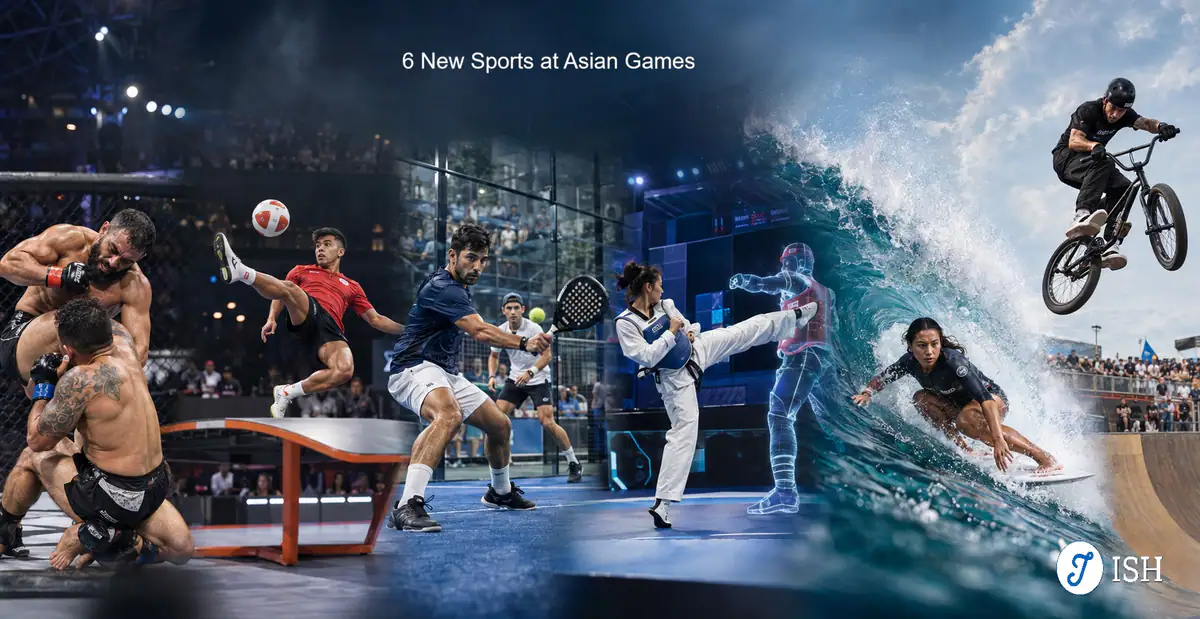
The 20th Asian Games in Aichi-Nagoya, scheduled from September 19 to October 4, 2026, reflect a notable transformation in the continental sports landscape. The Olympic Council of Asia has expanded the competitive schedule to 43 sports and 469 medal events, introducing six new sports and disciplines: Mixed Martial Arts (MMA), Teqball, Padel, Virtual Taekwondo, Surfing, and BMX Freestyle. These additions demonstrate a concerted effort to modernize the Games by embracing urban lifestyle trends, digital advancements, and emerging global athletic communities.

Profiles of the Debuting Sports

1) Mixed Martial Arts makes its official medal debut at the Asian Games under the combat sports umbrella at the Nagoya City Inae Sports Center. Combining disciplines such as boxing, wrestling, Brazilian jiu-jitsu, and kickboxing, fighters compete across six medal events divided into Modern and Traditional formats to balance safety regulations with martial arts traditions. The International Mixed Martial Arts Federation oversees the competition, ensuring strict technical judging aligned with multi-sport standards.

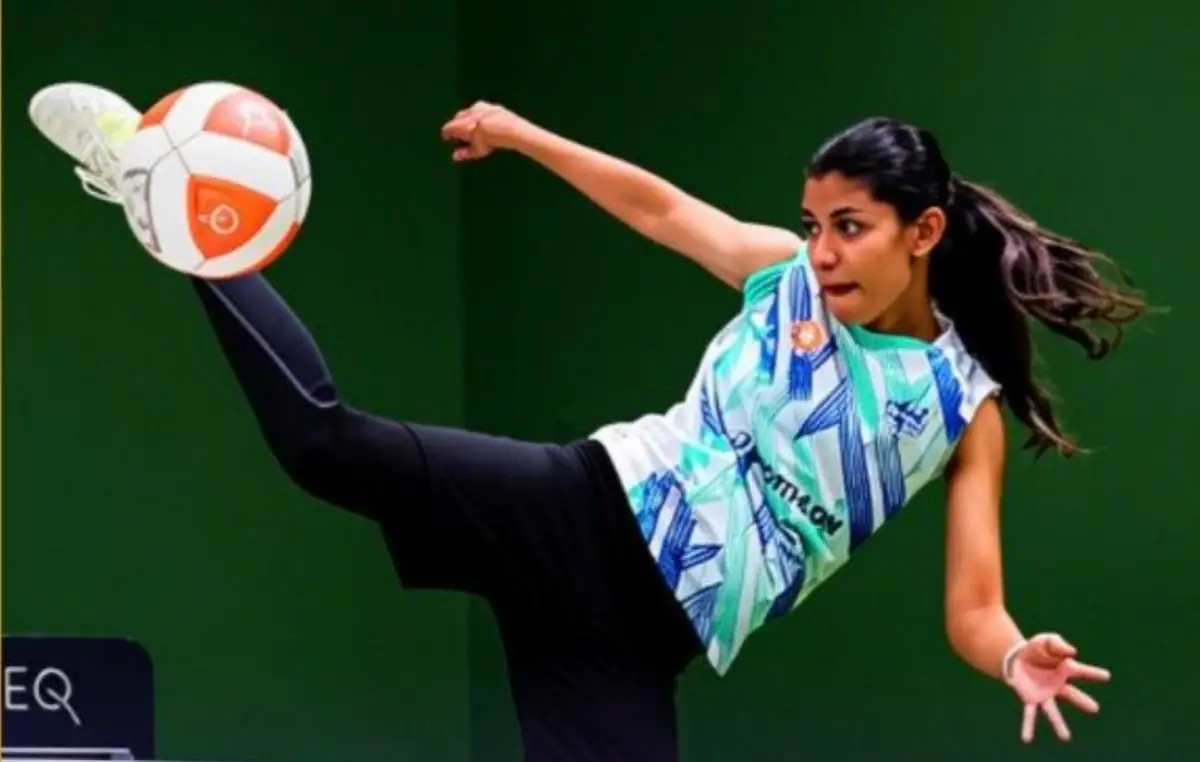
2) Teqball, invented in Hungary in 2014 by Gabor Borsanyi, Gyorgy Gattyan, and Viktor Huszar, merges football mechanics with table tennis. Contested at the Nagoya City Higashi Sports Center, athletes rally with a size-five football across a curved Teq table. Players are permitted a maximum of three touches without using their hands or arms, and they cannot contact the ball with the same body part consecutively, creating a rapid test of acrobatic dexterity and ball control.

3) Padel enters the Asian Games as one of the fastest-growing racquet sports globally. Developed in Mexico in 1969, the game is played in doubles inside an enclosed court surrounded by glass and metallic mesh walls. Using solid, perforated paddles and low-compression balls, competitors can play shots off the enclosure walls, producing extended rallies that prioritize anticipation, positioning, and tactical reflexes over baseline power.

4) Virtual Taekwondo marks the arrival of the first non-contact virtual combat sport in Asian Games history. Held at the Toyohashi City General Gymnasium, competitors wear virtual reality headsets and motion-tracking sensors. Real-world kicks and blocks directly maneuver digital avatars within a 3D arena to deplete the opponent’s 1,000 Health Point power gauge. Designed as an open-weight, mixed-gender knockout tournament of 16 competitors, it removes concussive physical impact while maintaining high cardiovascular intensity.

5) Surfing moves continental competition onto the open ocean at Akabane Long Beach along the Atsumi Peninsula in Tahara. Athletes in men's and women's shortboard events perform maneuvers in the critical sections of natural ocean waves. Judges evaluate speed, power, flow, and technical difficulty, requiring surfers to adapt continuously to fluctuating tides, wind, and swell patterns.

6) BMX Freestyle brings an acrobatic cycling discipline to the Aichi Sky Expo in Tokoname. Departing from time-based racing, riders complete 60-second runs across ramps, spine transfers, and box jumps. Scoring is determined by judges assessing aerial amplitude, trick difficulty, originality, and course flow, delivering a visually dynamic urban spectacle.

Strategic Rationales and Broader Importance

The introduction of these sports addresses several institutional priorities for the Olympic Council of Asia:

  1. First, urban and youth appeal has become central to keeping continental games relevant. Padel, Teqball, and BMX Freestyle mirror modern grassroots sporting habits, offering fast-paced action that resonates with younger spectators and social media audiences.

  2. Second, Virtual Taekwondo pioneers the convergence between physical athletics and digital simulation. By establishing a non-contact competitive model without weight or gender divisions, it provides a safe, inclusive template for how martial arts can innovate without losing technical authenticity.

  3. Third, these events carry direct international stakes. Surfing at Aichi-Nagoya 2026 acts as a direct continental qualifying event for the Los Angeles 2028 Olympic Games, making every heat significant for global qualification. For Mixed Martial Arts, inclusion in a recognized multi-sport event provides structured continental legitimacy and operational testing for potential long-term Olympic integration.

Indian Athletes Competing in the Debuting Events

India will participate across 4 out of 6 debuting sports, showcasing emerging domestic talent:

In surfing, India secured historic qualification places and fields a four-member squad managed by head coach Samai Reboul. Kishore Kumar and Sivaraj Babu will compete in the men's shortboard event, while Kamali Moorthy and Sugar Shanti Banarse feature in the women's shortboard division.

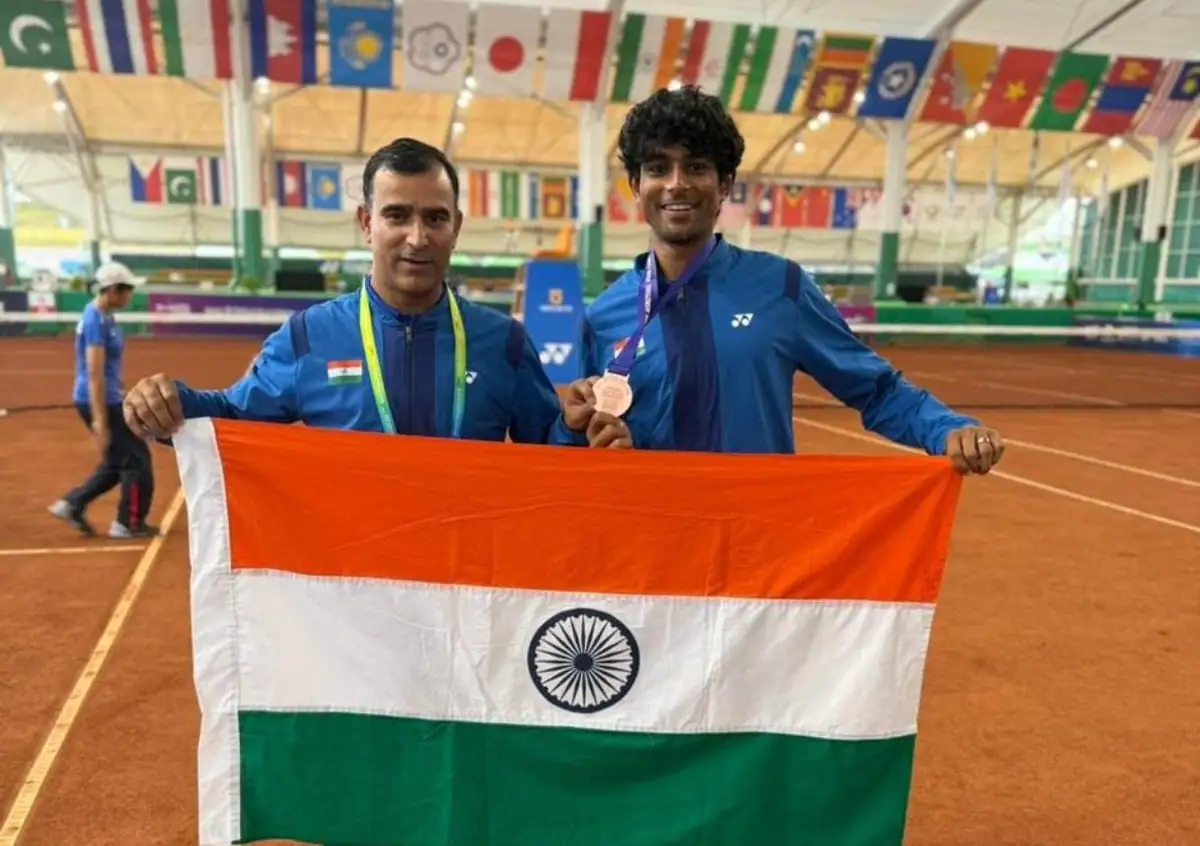
In teqball, India's roster is highlighted by Mohamed Anas Imran Beg and Declan Marshall Gonsalves in men's doubles, who previously won India's first medal at the 2024 World Teqball Championships. Quimcy Dsouza will represent India in women's singles and join Beg in the mixed doubles competition.

https://www.indiasportshub.com/articles/quimcy-d-souza-storms-into-teqball-women-s-singles-semi-finals-at-asian-games-2026

In mixed martial arts, India is represented in two traditional categories: Varun Sanyal competes in the men's -77kg division, and Suchika Tariyal takes part in the women's -60kg division.

In virtual taekwondo, international competitor Kashish Malik represents India in the mixed-gender virtual tournament, transitioning to the virtual format after representing the country in traditional taekwondo at the 2018 Asian Games.

India is not fielding competitors in Padel or BMX Freestyle, as national cycling entries remain focused on traditional track disciplines, and no national teams qualified for the padel competition.

Conclusion

The debut of these six sports marks a deliberate pivot toward inclusive, technologically driven, and spectator-friendly disciplines at the Asian Games. By embracing both physical and virtual arenas, the 2026 Games bridge sporting tradition and modern innovation, while providing Indian athletes with valuable opportunities on the international stage

Enjoyed this story? A small contribution helps us cover more of Indian sport.200+ unlocks 1 year Premium · tap anywhere to paySupport · ₹501

Comments (0)

to post comments, replies, and votes.

GU

Loading comments…

Download the IndiaSportsHub app
Asian Games 2026 — Aichi-Nagoya, Japan. Live scores on the IndiaSportsHub app
Loading related stories…