Asian Games 2026: What Makes the Asiad Different From the Olympics?
For many sports fans, the Asian Games can feel like a smaller version of the Olympics. There is an opening ceremony, thousands of athletes, dozens of sports and, of course, gold, silver and bronze medals.
But the Asian Games are not simply the Olympics with fewer countries.
The difference is right there in the name. The Olympics bring together athletes from across the world, while the Asian Games are designed specifically for athletes representing countries and regions across Asia.
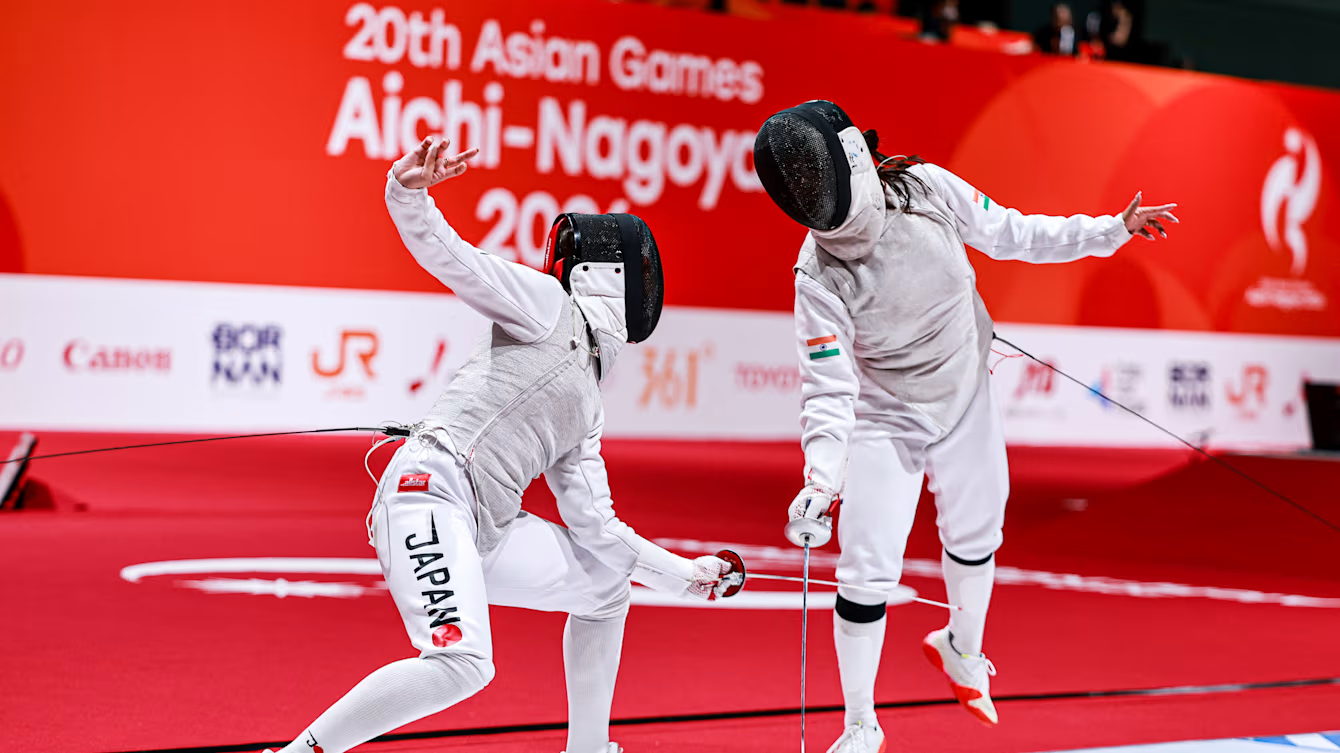
The 20th edition of the continental sporting extravaganza, Aichi-Nagoya 2026, will take place in Japan from September 19 to October 4. More than 11,000 athletes are expected to compete across 43 sports, 71 disciplines and 469 events. That scale makes the Asian Games one of the biggest sporting events anywhere in the world.
But how did it all begin?
The story of the Asian Games goes back to a period when Asia was dealing with the consequences of war and political upheaval. The idea behind a continental sporting event was simple: bring Asian nations together through sport.
Competition could create relationships that politics could not always establish. Athletes from different countries could meet, compete and share the same sporting environment, helping build a sense of friendship and cooperation across the continent. There were already regional sporting competitions before the Asian Games. The Far Eastern Championship Games, for example, were held between 1913 and 1934, while West Asian Games were also organised during the 1930s.
The modern concept of the Asian Games, however, emerged after the Second World War.
At the 1948 London Olympics, Indian representative Guru Dutt Sondhi proposed the idea of a dedicated sporting competition for Asian nations. The proposal received support from representatives from other Asian countries.
The momentum eventually led to the formation of the Asian Athletic Federation in 1949. Then came the moment that changed Asian sport forever.
New Delhi hosted the first Asian Games
In 1951, New Delhi became the first host of the Asian Games. Only 11 countries participated in that inaugural edition, but the significance of the event went far beyond its numbers. It gave Asian athletes a dedicated continental stage and established a sporting tradition that has continued for more than seven decades. Since then, the Games have travelled across Asia, with different countries taking their turn to host the continent's biggest multi-sport event.
The competition was initially administered by the Asian Games Federation. From 1982 onwards, the Olympic Council of Asia (OCA) became the governing body. The Games themselves have also changed dramatically.
From 11 countries to more than 11,000 athletes
The growth of the Asian Games reflects the changing sporting landscape of the continent. The inaugural Games had 11 participating countries. Aichi-Nagoya 2026 is expected to feature athletes from 45 National Olympic Committees, with more than 11,000 athletes competing.
The number and type of sports have evolved as well. Some events will be familiar to Olympic audiences. Athletics, swimming, boxing, badminton, basketball, football, gymnastics, shooting, tennis, weightlifting and wrestling are among the sports that can feature at both events. But the Asian Games can also accommodate sports with particularly strong regional popularity.
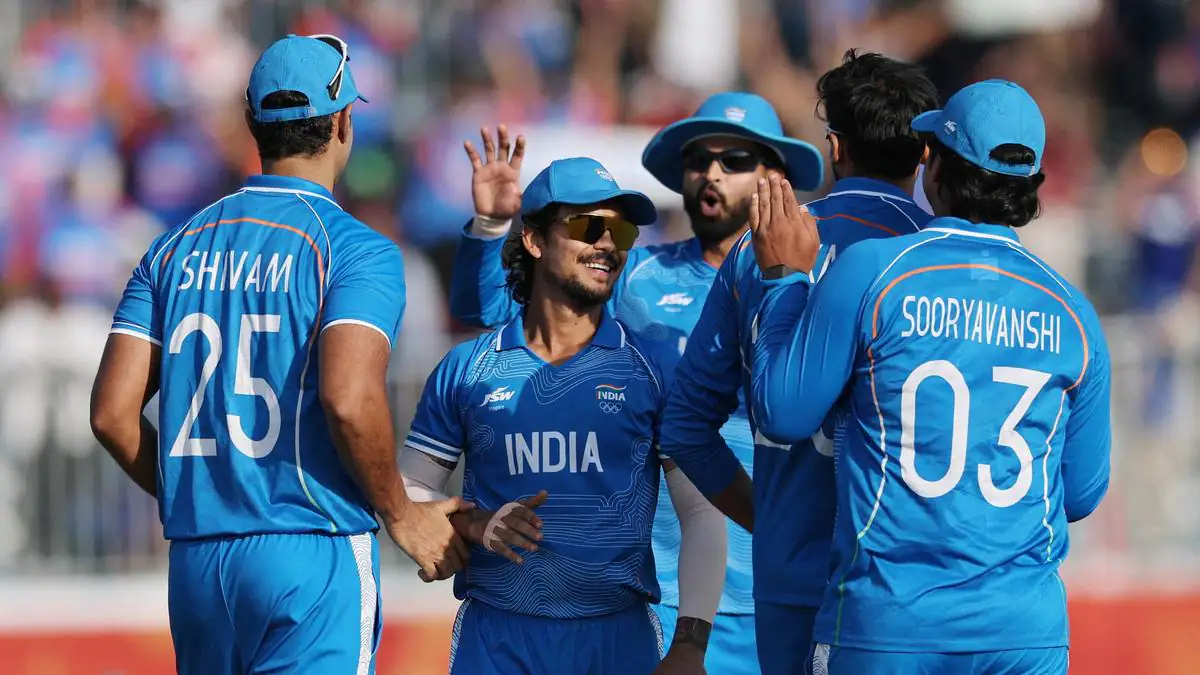
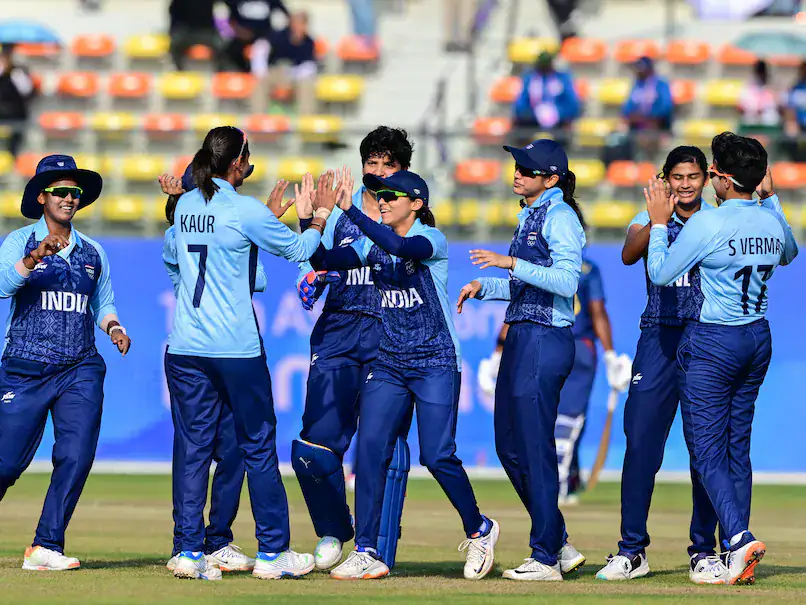
Kabaddi, sepak takraw, wushu, kurash, cricket, ju-jitsu, karate and esports are among the disciplines associated with the Asian Games programme. Aichi-Nagoya 2026 will also feature sports such as teqball, padel and MMA.
That gives the Asiad an identity of its own.
Asian Games vs Olympics: what is the real difference?
The easiest way to understand the distinction is this: Asian Games = Asia. Olympics = the world.
The Asian Games bring together athletes representing Asian countries and regions under the Olympic Council of Asia. The Olympic Games operate on a global scale under the International Olympic Committee, with National Olympic Committees from across continents participating.
There is another important difference: the sports programme. While there is substantial overlap, the Olympic programme changes from one edition to another and is designed for a global audience. The Asian Games have greater room for sports that have deep roots or significant popularity in Asia.
This is why a fan watching the Asian Games can see an Olympic sport such as athletics alongside kabaddi, sepak takraw or wushu.
For athletes, that makes the Asiad particularly important. A sportsperson may not yet be an Olympic medal contender but could still become a continental champion. For others, the Asian Games provide an opportunity to compete against elite opposition from countries that dominate their particular discipline.
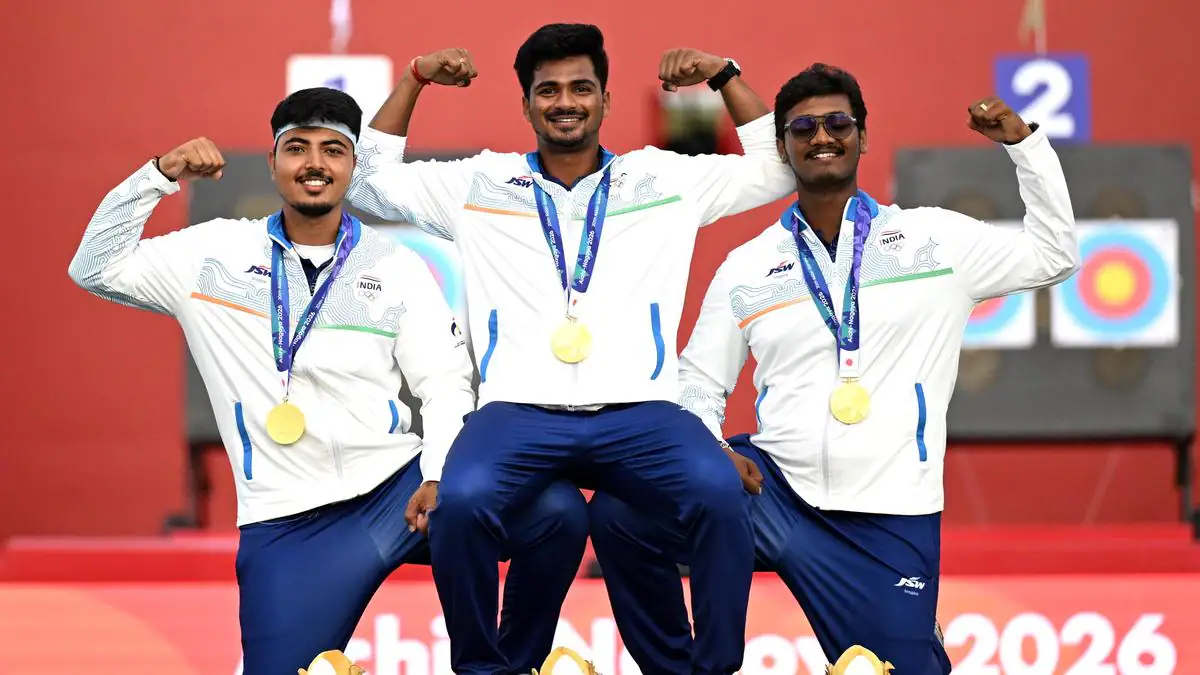
The Asian Games hold a special place in Indian sport. Indian athletes have competed across athletics, shooting, wrestling, boxing, badminton, hockey, cricket, kabaddi and several other disciplines. The competition has also become a crucial pathway for emerging athletes. A strong Asian Games performance can change a career, particularly in sports where Asian nations are among the world's strongest.
India enters the Aichi-Nagoya Games with ambitions of remaining among Asia's leading sporting nations. The challenge will be significant. China, Japan and South Korea have historically been the dominant forces in the medal table, while India has built a strong presence across an increasingly diverse range of sports.
It is easy to judge a multi-sport event by the number of medals won. But the Asian Games were created with a larger purpose. They were conceived as a way of bringing the continent together through sport, and that idea remains at the heart of the event. The evolution from 11 participating countries in 1951 to 45 NOCs and more than 11,000 expected athletes in 2026 tells its own story.
The Asian Games have grown alongside Asia itself. And when Aichi-Nagoya welcomes athletes this September, the competition will once again be about more than who finishes first. For two weeks, the continent's biggest sporting rivals will compete under the same banner, new stars will emerge and established champions will be tested.
That is what makes the Asian Games unique.
The Olympics may belong to the world. The Asian Games belong to Asia.
Comments (0)
to post comments, replies, and votes.
Loading comments…