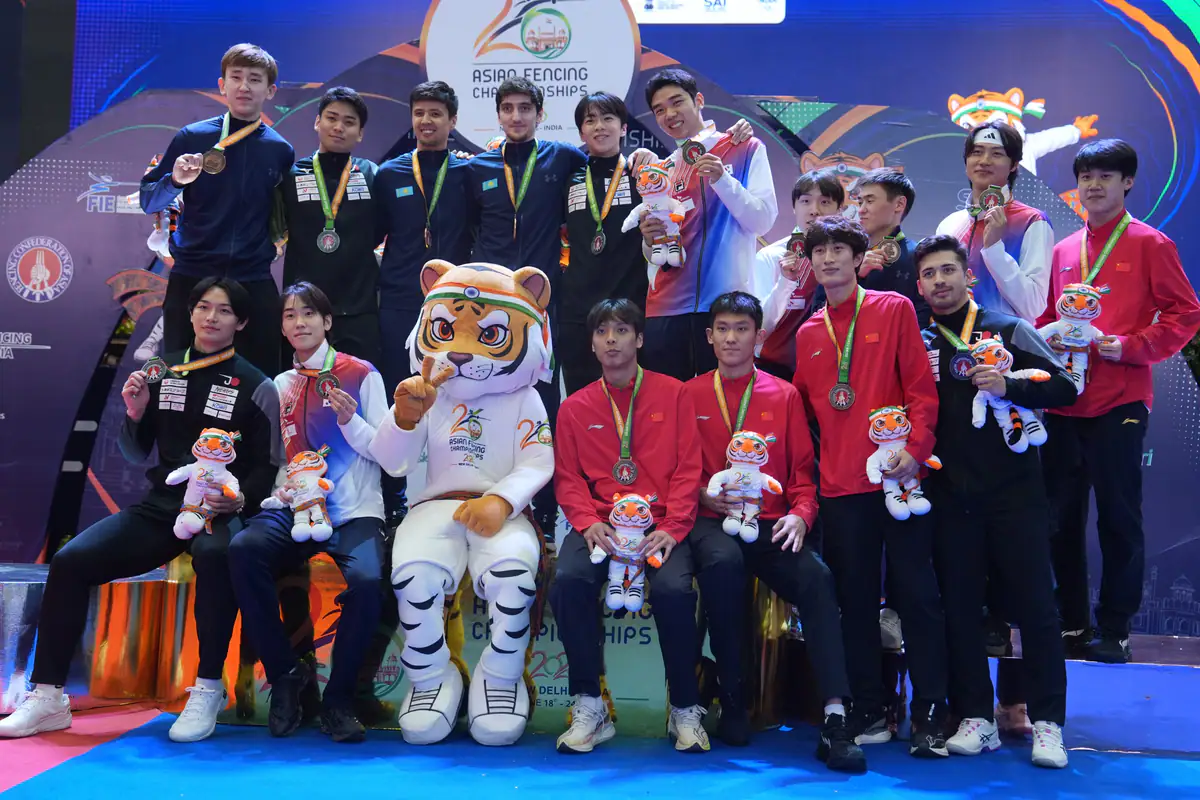
India Set to Host Historic Asian Senior Fencing Championships 2026 in New Delhi for the First Time
Indian sport is set to witness another historic milestone as New Delhi prepares to host the Asian Senior Fencing Championships 2026 from June 19 to June 24 at the iconic Bharat Mandapam.
It will be the first time that India stages the continent’s premier fencing competition, underlining the country’s growing stature as a destination for major international sporting events.
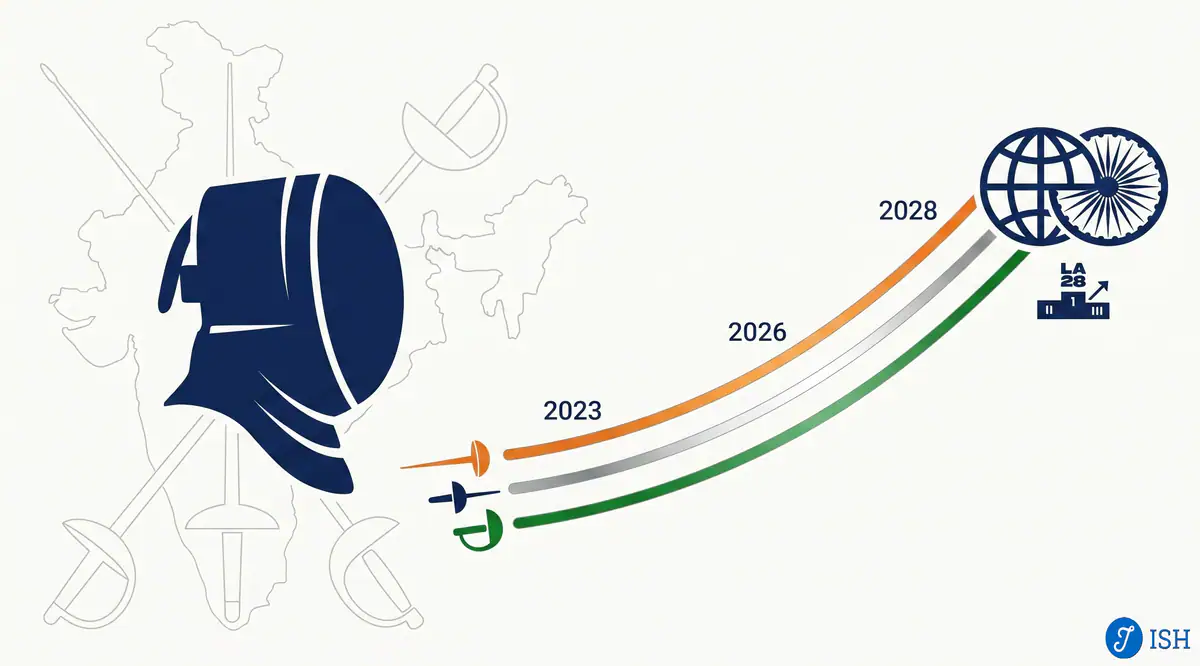
Often regarded as the “Asia Cup” of fencing, the championship brings together the finest athletes from across the Asia-Oceania region and carries enormous significance. Besides crowning continental champions, the event serves as an important qualification pathway for the 2026 Asian Games while offering valuable world ranking points that could influence the road to the Los Angeles 2028 Olympic Games.
For India, hosting the tournament is about much more than medals—it is an opportunity to showcase its organisational capabilities, inspire a new generation of fencers and further elevate the sport’s profile in the country.
Although fencing has steadily developed in India over the past few decades, the nation has never before hosted a continental championship of this scale.
The six-day event represents a watershed moment for the Fencing Association of India (FAI), which has worked tirelessly to promote the sport since its establishment in 1974. With support from international governing bodies and the Ministry of Youth Affairs and Sports, India has gradually built a competitive domestic structure and increased its presence on the global stage.
Hosting the Asian Championships demonstrates the confidence that the international fencing community has placed in India’s ability to organise world-class competitions.
Adding to the occasion, New Delhi will also host the 39th General Assembly of the Fencing Confederation of Asia (FCA), welcoming delegates from 42 member countries for the first time in Indian history.
Fans attending the championships will witness some of the biggest names in world fencing competing on Indian soil. Among the marquee attractions is Cheung Ka Long of Hong Kong, the reigning back-to-back Olympic champion in men’s individual foil and one of the sport’s most technically gifted athletes.
South Korea’s Oh Sang-uk, the reigning Olympic gold medallist in men’s sabre and one of fencing’s global superstars, is also expected to compete. Joining them is Yamada Masaru of Japan, the Olympic champion in men’s épée and one of the finest defensive fencers in international competition.
The presence of these champions offers Indian fans a rare opportunity to witness Olympic-level fencing firsthand while providing invaluable exposure for domestic athletes competing against the very best.
The championships will feature participation from 34 countries, reflecting the growing competitiveness of fencing across Asia and Oceania. Traditional powerhouses such as Japan, South Korea, China, Hong Kong, Kazakhstan and Iran will be joined by emerging fencing nations including India, Thailand, Singapore, Australia, New Zealand, Uzbekistan, Vietnam, Saudi Arabia, Qatar, Malaysia and the Philippines, among others.
The depth of competition promises intense battles across all weapon categories and ensures that every medal will be hard-earned.
As hosts, India will field a 24-member squad featuring some of the country’s most accomplished fencers.
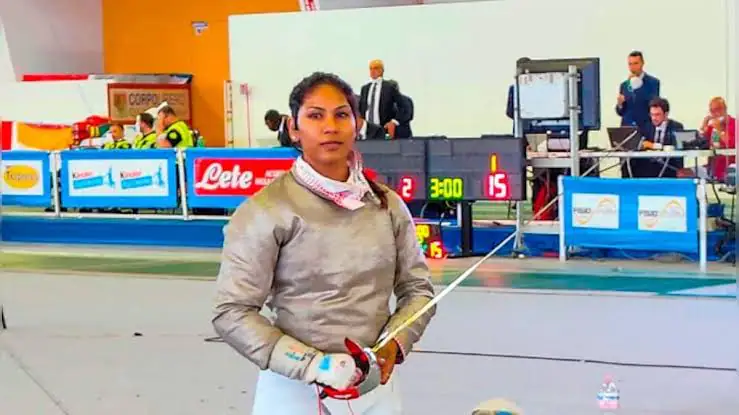
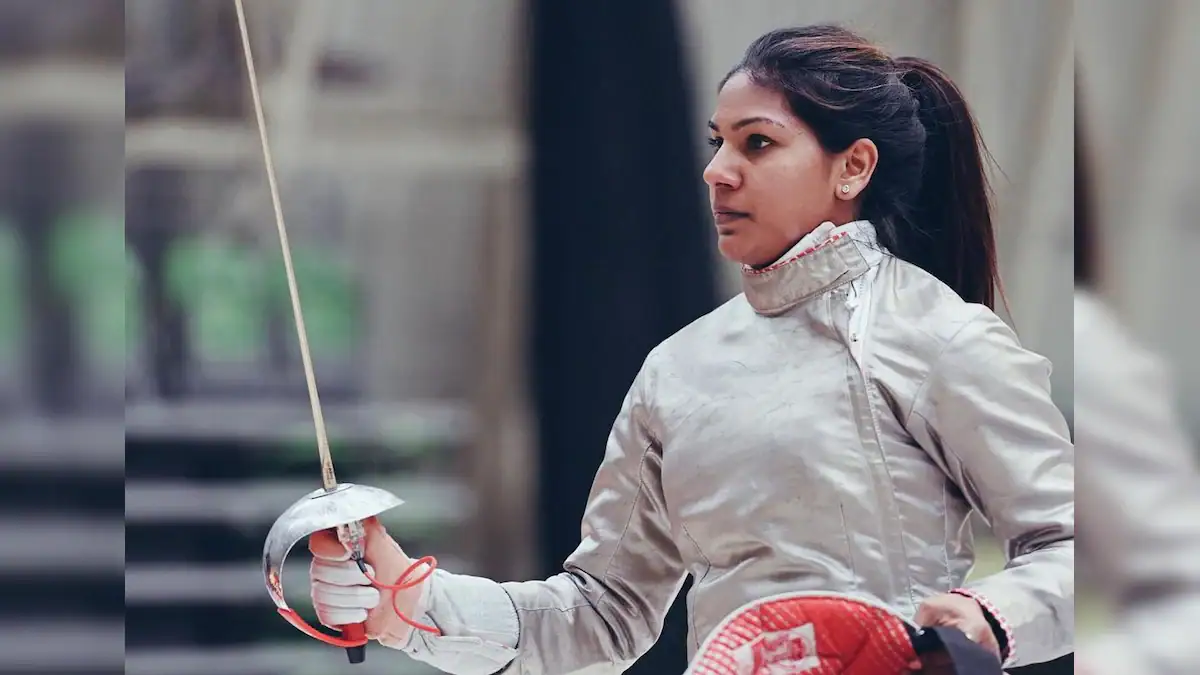
Leading the charge is Bhavani Devi, India’s trailblazing sabre specialist who became the nation’s first-ever Olympic-qualified fencer when she competed at the Tokyo Games. She also scripted history by winning India’s first medal at the Asian Fencing Championships, claiming bronze in 2023, and has accumulated numerous international podium finishes during her distinguished career.
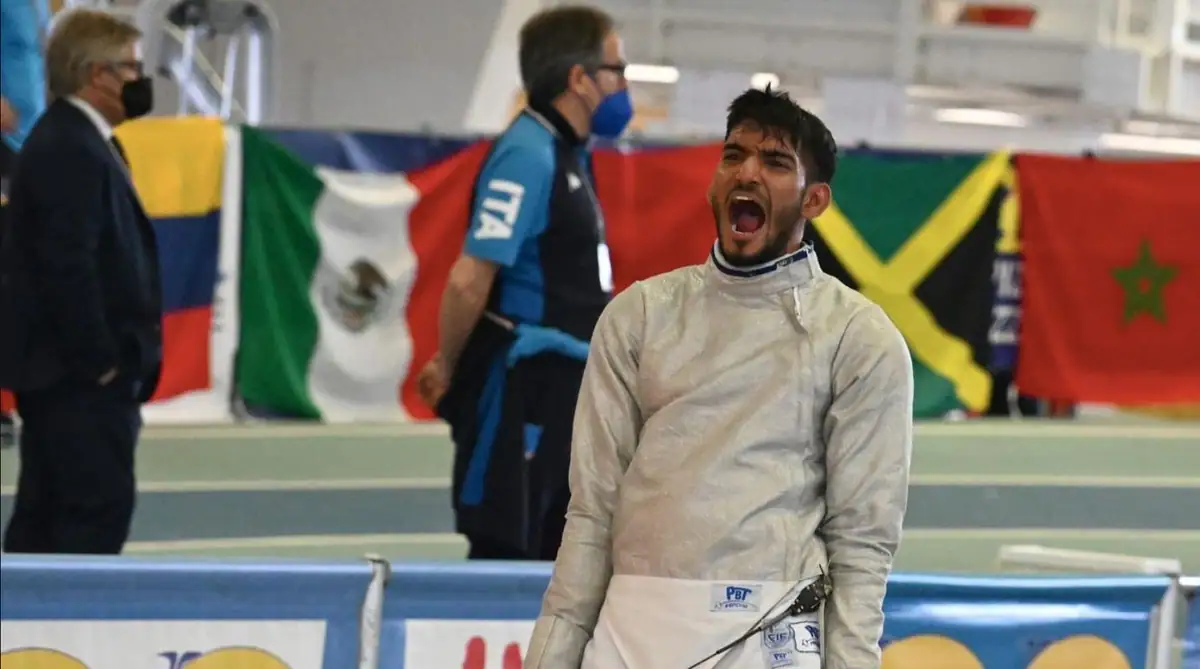
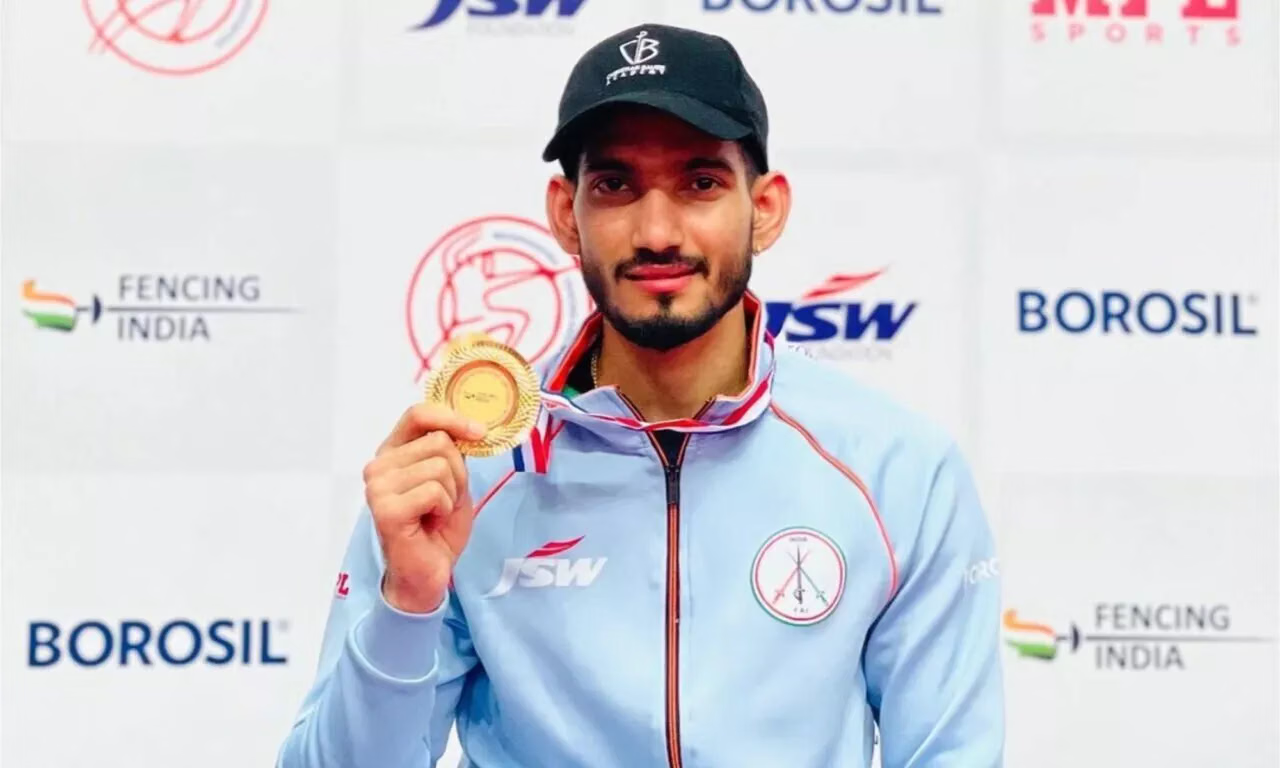
Joining her is Karan Singh, one of India’s leading sabre fencers and the silver medallist at the Asian Olympic Qualification tournament for Paris 2024.
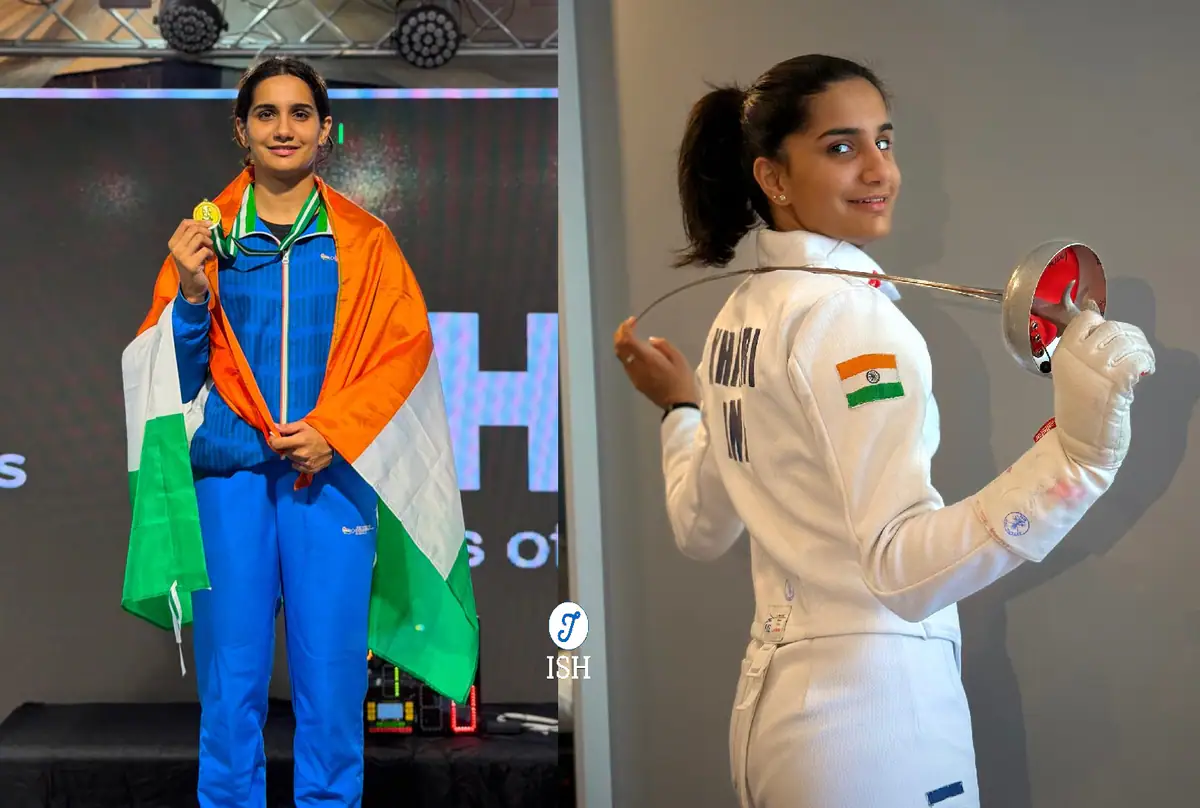
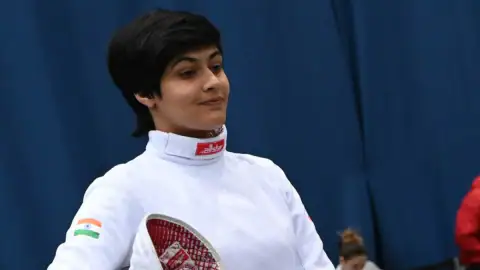
The host nation will also look towards rising épée star Tanishka Khatri, who has consistently impressed against top Asian opponents, while experienced sabre fencer Gisho Nidhi adds valuable leadership and technical expertise to the squad.
Competing in front of home fans could provide the Indian contingent with an extra psychological advantage as they seek memorable performances.
Often described as physical chess played at lightning speed, fencing combines tactical intelligence with explosive athleticism.
Athletes compete using three distinct weapons:
Foil, where points can only be scored on the torso using the tip of the blade.
Épée, where the entire body is a valid target and precision is paramount.
Sabre, the fastest discipline, allowing scoring with both the edge and tip above the waist.
Electronic sensors embedded within the equipment instantly register valid touches, making fencing one of the most technologically advanced Olympic sports.
The championship will feature 12 medal events across individual and team competitions for both men and women in all three disciplines, with a total of 48 medals to be awarded.
India Introduces AI into International Fencing
One of the most innovative aspects of the 2026 championships will be the implementation of an AI-powered Video Referral System.
Ahead of the tournament, the Fencing Association of India organised the world’s first dedicated training workshop for the technology, positioning New Delhi as the global testing ground for artificial intelligence-assisted refereeing in fencing.
The initiative reflects India’s ambition not only to host major sporting events but also to contribute to technological innovation within international sport. If successful, the system could influence officiating standards at future global competitions.
Beyond competition, the Asian Senior Fencing Championships represent an important opportunity for grassroots development. Exposure to Olympic champions and world-class competition can inspire young Indian athletes to pursue fencing, while the organisational experience gained from hosting such an event strengthens India’s credentials for future international bids.
The tournament also arrives at a time when Indian fencing is enjoying unprecedented visibility thanks to pioneers like Bhavani Devi and a growing pool of talented junior athletes.
As the countdown to June 19 begins, anticipation continues to build for what promises to be the biggest fencing event ever held in India.
With Olympic champions, 34 competing nations, groundbreaking AI technology and the nation’s strongest-ever home squad, the Asian Senior Fencing Championships 2026 has all the ingredients to become a landmark chapter in Indian sporting history.
For six days, Bharat Mandapam will transform into the epicentre of Asian fencing, offering Indian fans an unparalleled opportunity to witness the sport at its highest level while cheering on homegrown stars chasing history on their own strip.
Whether measured by medals, innovation or legacy, the championship promises to leave a lasting impact on the future of fencing in India.
Comments (0)
to post comments, replies, and votes.
Loading comments…